Travel on Health, Well-Being, and Life Satisfaction
Travel offers benefits that extend far beyond leisure and adventure. Stepping away from daily routines and immersing oneself in new experiences promotes physical, mental, and emotional well-being. The combination of movement, exposure to nature, cultural interaction, and novelty contributes to a sense of fulfillment and life satisfaction that is difficult to achieve through everyday life alone. Travel acts as a holistic rejuvenation process, nurturing multiple aspects of health simultaneously.
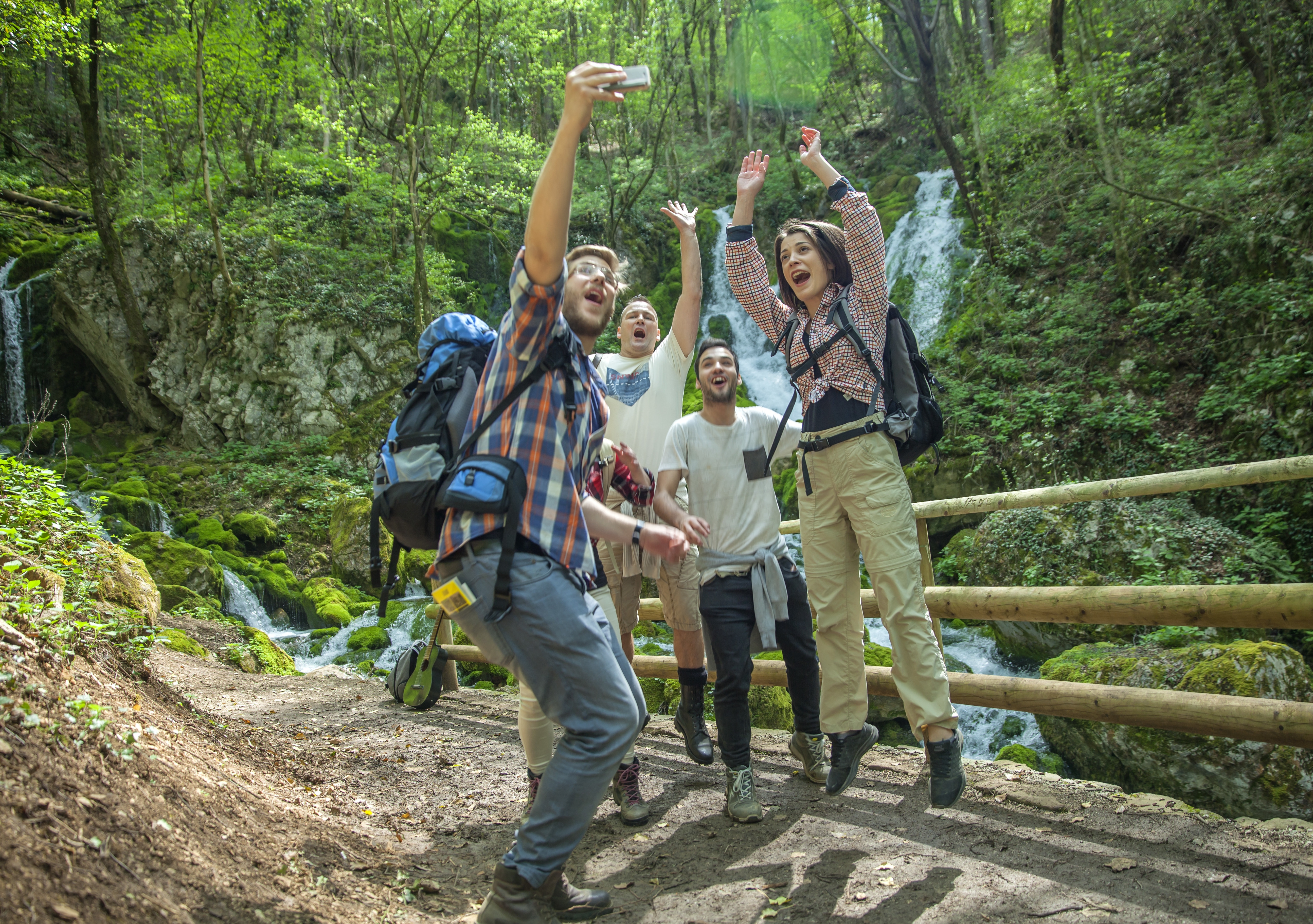
Physically, travel often involves increased activity. Walking through cities, hiking in natural landscapes, or exploring historical sites encourages movement and exercise. This activity improves cardiovascular health, builds stamina, and strengthens muscles. Physical exertion combined with exposure to fresh air and natural environments enhances overall vitality and energy levels.
Travel also supports mental health by reducing stress. A change of scenery allows the mind to detach from daily pressures, work responsibilities, and repetitive routines. Exposure to novelty stimulates cognitive engagement while providing relaxation. Mental rest and stimulation occur simultaneously, enhancing focus, creativity, and emotional resilience.
Nature-based travel amplifies well-being through exposure to natural landscapes. Oceans, mountains, forests, and open spaces promote calmness, reduce anxiety, and improve mood. Nature has restorative qualities that alleviate mental fatigue, encourage reflection, and foster a sense of peace. Time spent outdoors during travel enhances mental clarity and emotional balance.
Cultural immersion nurtures emotional intelligence and empathy. Interacting with different communities, participating in local traditions, and observing social dynamics enhance understanding of human behavior. This emotional engagement promotes compassion, patience, and perspective, which are essential for fulfilling personal and social relationships.
Travel challenges comfort zones, fostering resilience and self-confidence. Facing unfamiliar situations, navigating language barriers, and adapting to new environments require problem-solving and flexibility. Successfully managing these challenges reinforces self-efficacy and builds mental toughness, contributing to overall life satisfaction.
Novel experiences stimulate the brain and enhance cognitive function. Exposure to different languages, practices, and environments requires learning, attention, and memory. Engaging with new stimuli strengthens neural pathways and encourages adaptability. Travel thus functions as an experiential form of brain training that promotes lifelong learning.
Social interaction during travel supports emotional well-being. Connecting with locals, fellow travelers, and guides fosters a sense of belonging and community. Positive social experiences reduce feelings of loneliness, increase happiness, and improve life satisfaction. Even brief encounters can leave lasting emotional impact.
Travel also encourages mindfulness and presence. Experiencing new surroundings requires observation, attentiveness, and engagement. Mindfulness reduces rumination, enhances emotional regulation, and promotes gratitude. Travelers learn to appreciate small details, savor moments, and cultivate awareness of the present.
Exposure to different lifestyles and perspectives encourages personal reflection. Observing how others approach life, relationships, work, and leisure inspires introspection about one’s own choices. This reflection often leads to adjustments that improve overall well-being, priorities, and sense of purpose.
Rest and relaxation are integral to travel’s health benefits. Vacations, retreats, and leisurely trips provide opportunities for mental and physical restoration. Quality sleep, leisurely pacing, and time away from responsibilities allow the body and mind to recharge, reducing fatigue and promoting vitality.
Travel also fosters creativity and inspiration. New experiences, environments, and cultural practices stimulate imagination and innovation. The combination of observation, reflection, and interaction encourages creative problem-solving, artistic expression, and personal insight.
Ultimately, travel enhances health and life satisfaction by addressing physical activity, mental engagement, emotional growth, and social connection. The combination of exploration, novelty, and cultural immersion nurtures holistic well-being. By stepping outside daily routines, individuals gain renewed energy, perspective, and fulfillment, making travel a vital component of a balanced and meaningful life.