 The Influence of Automobiles on Urban Development and Infrastructure
Automobiles have profoundly shaped the development of cities and infrastructure, influencing urban planning, transportation systems, and community design. The widespread adoption of cars transformed how people live, work, and move, requiring roads, highways, bridges, and public amenities that accommodate vehicle use. The relationship between automobiles and urban development highlights the interplay between mobility, economic activity, and societal organization.
The rise of personal vehicles led to the expansion of road networks. Highways, arterial roads, and residential streets were designed to facilitate car travel, connecting neighborhoods, cities, and regions. Urban growth often follows transportation corridors, as accessibility drives economic development and real estate expansion. Roads and highways became central elements in shaping city layouts and suburban development patterns.
Automobiles influenced suburbanization. The ability to commute over long distances encouraged residential expansion beyond urban centers. Suburbs developed with larger housing, parking spaces, and car-centric layouts. Shopping centers, schools, and recreational facilities were designed to be accessible primarily by car, creating communities dependent on automobile mobility and shaping social and economic structures.
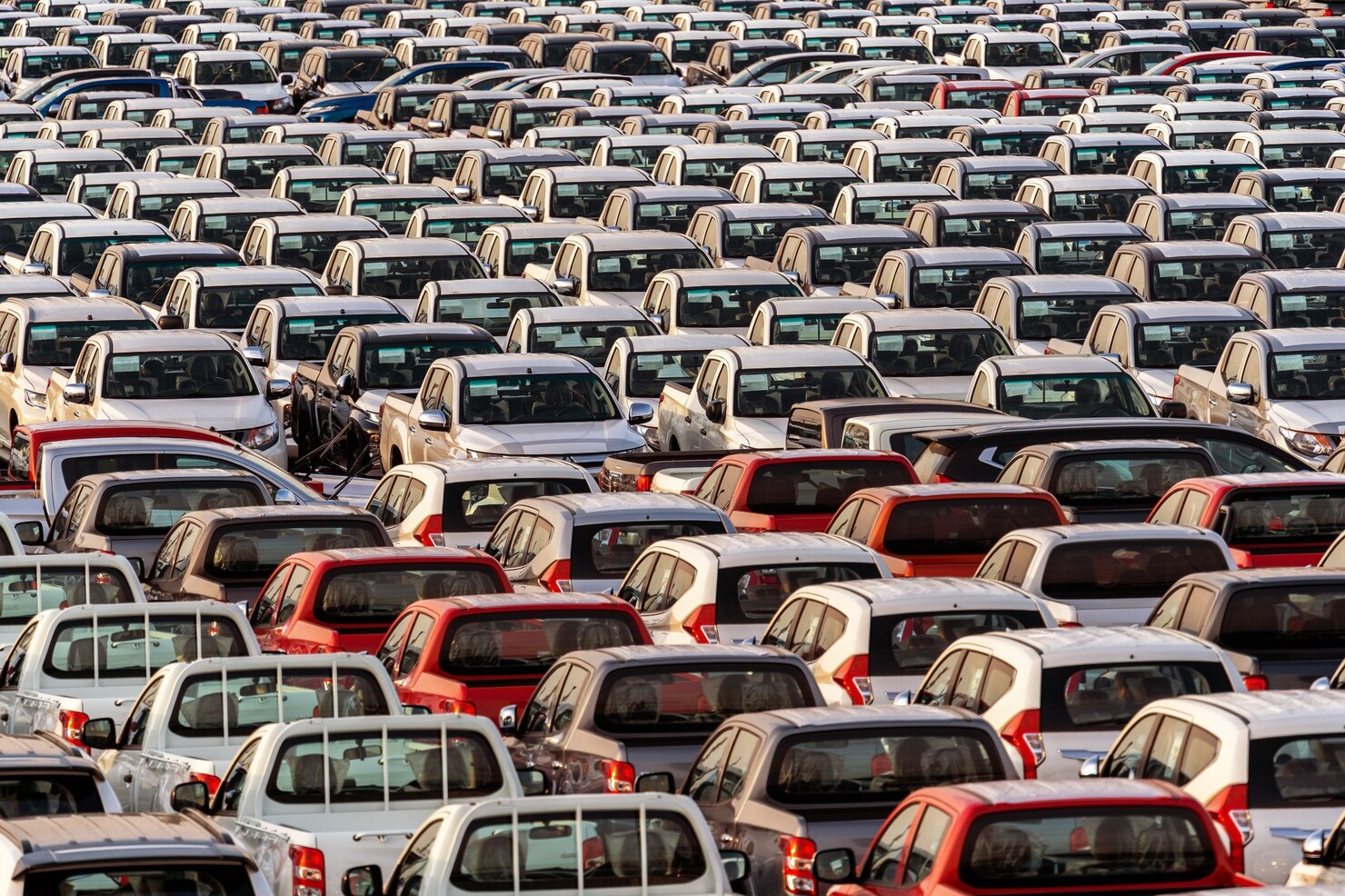
Parking and traffic management became critical urban considerations. As car ownership increased, cities needed to accommodate parking demand, leading to the construction of garages, lots, and structured spaces. Traffic signals, roundabouts, and lanes were designed to improve flow and reduce congestion. Effective urban planning had to balance the convenience of car travel with safety, accessibility, and livability.
Public transportation systems evolved in response to automobiles. Buses, trams, and trains were adapted to complement car networks, providing alternatives for commuters while reducing congestion. Urban planners integrated multimodal transportation to ensure accessibility and efficiency, balancing private and public mobility needs in city environments.
Automobiles also influenced commercial and industrial development. Retail centers, warehouses, and service stations were strategically located near highways and major roads for accessibility. Delivery services, logistics networks, and supply chains relied heavily on vehicle transportation, shaping patterns of trade, commerce, and employment. The automobile’s role in commerce underscores its economic and spatial impact on urban areas.
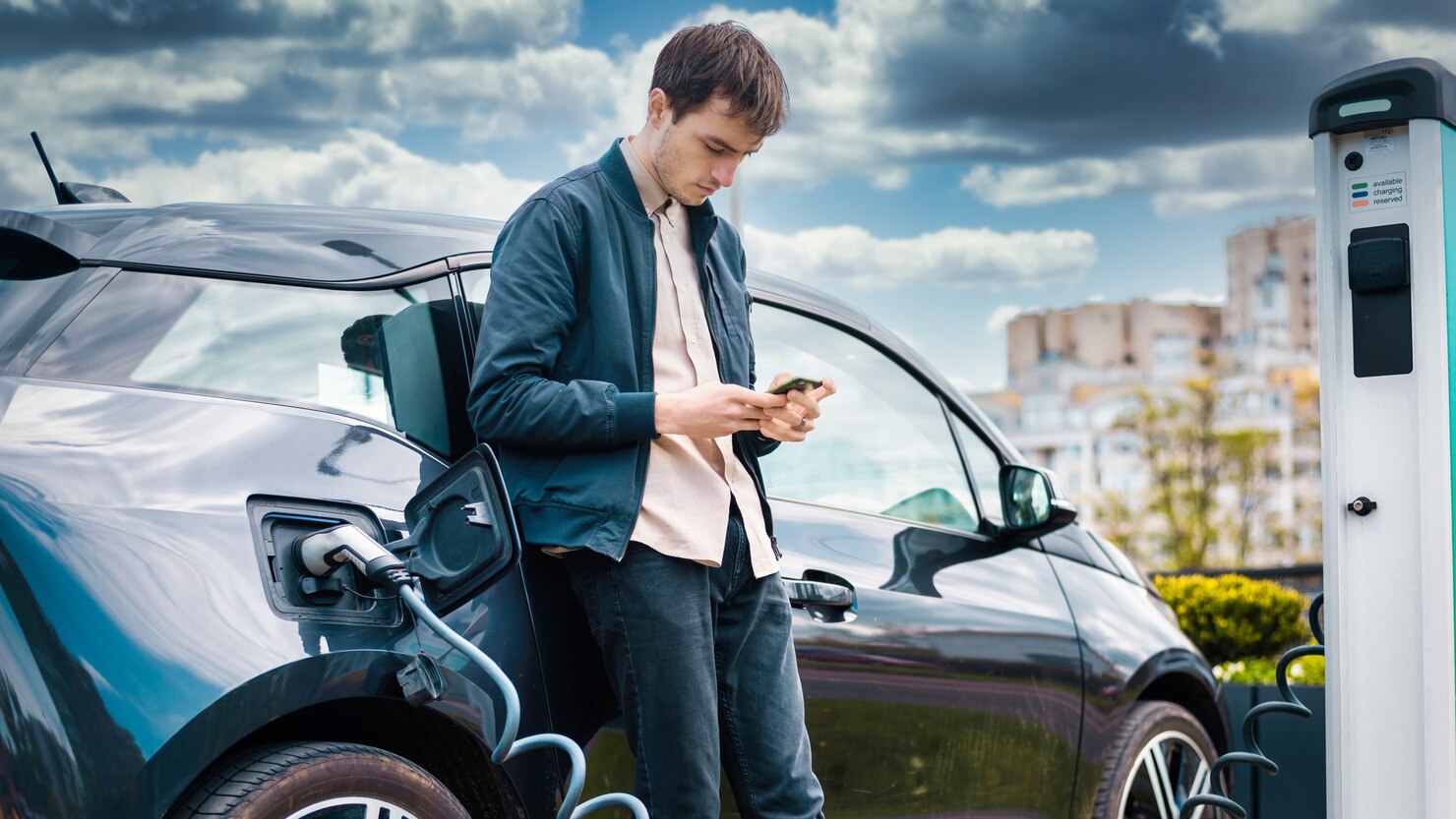
Environmental and social considerations emerged as cities adapted to cars. Traffic congestion, air pollution, and noise prompted urban planners to implement green spaces, pedestrian zones, and emission regulations. Cities increasingly emphasize sustainable urban mobility, integrating bike lanes, electric vehicle infrastructure, and public transport to reduce reliance on traditional vehicles.
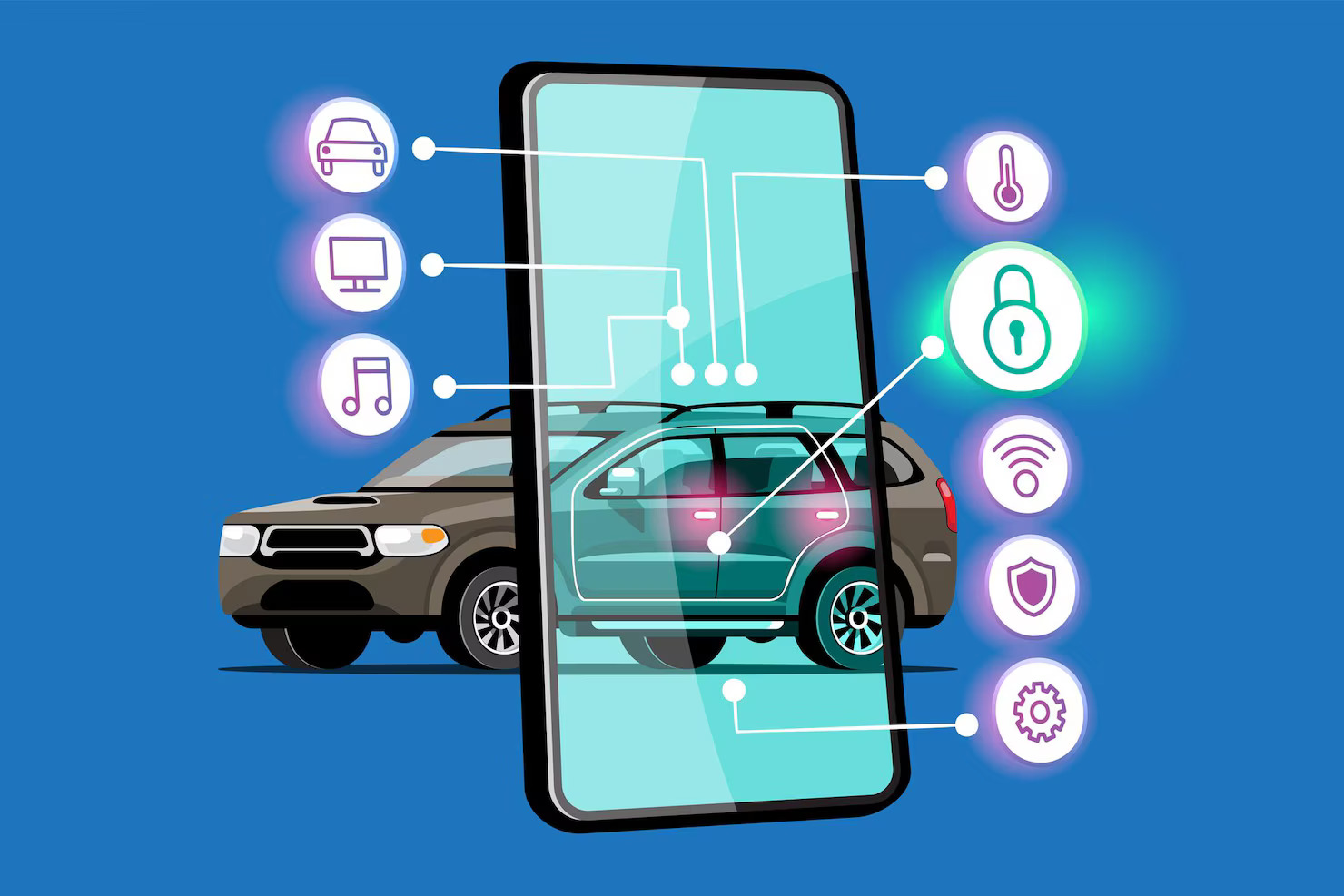
Technological infrastructure supports modern urban mobility. Intelligent traffic management, connected vehicles, and smart road systems optimize traffic flow, reduce accidents, and enhance efficiency. Autonomous vehicles and real-time navigation further integrate technology into city planning, shaping the future of urban transportation systems.
Urban lifestyles are shaped by automobile accessibility. Car ownership affects commuting choices, leisure activities, and social interactions. Road trips, shopping trips, and recreational travel are facilitated by vehicles, influencing daily routines, economic behavior, and quality of life. Automobiles provide flexibility and autonomy, shaping how residents experience and navigate their cities.
Safety considerations remain integral to urban development. Road design, crosswalks, traffic lights, and signage are engineered to protect drivers, pedestrians, and cyclists. Regulations governing speed, parking, and vehicle operation are essential for ensuring safe interactions between automobiles and urban populations. Balancing safety with mobility remains a central focus in city planning.
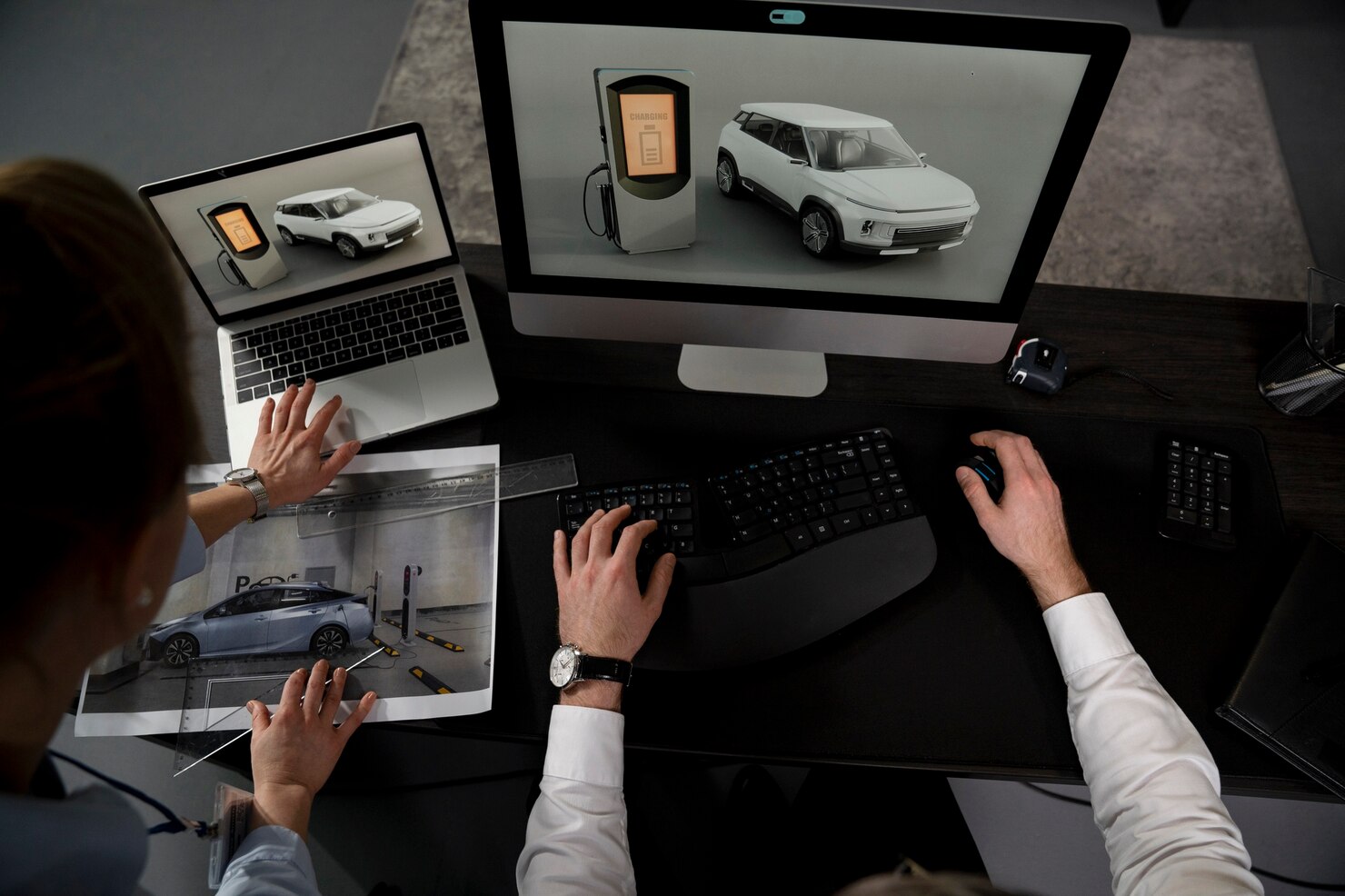
Future urban development is influenced by trends in mobility and technology. Electric vehicles, autonomous driving, and shared mobility are reshaping how cities plan roads, charging infrastructure, and traffic flow. Smart city initiatives integrate vehicles with urban ecosystems, promoting efficiency, sustainability, and livability. Urban planning increasingly accounts for reduced reliance on private car ownership, emphasizing walkable, connected, and eco-friendly environments.
Ultimately, automobiles have left an indelible mark on urban development and infrastructure. They shape the physical layout of cities, influence social patterns, drive economic growth, and define mobility culture. The integration of vehicles into urban life highlights the complex relationship between transportation, society, and the environment, emphasizing the need for innovation, planning, and sustainability in shaping cities for the future.