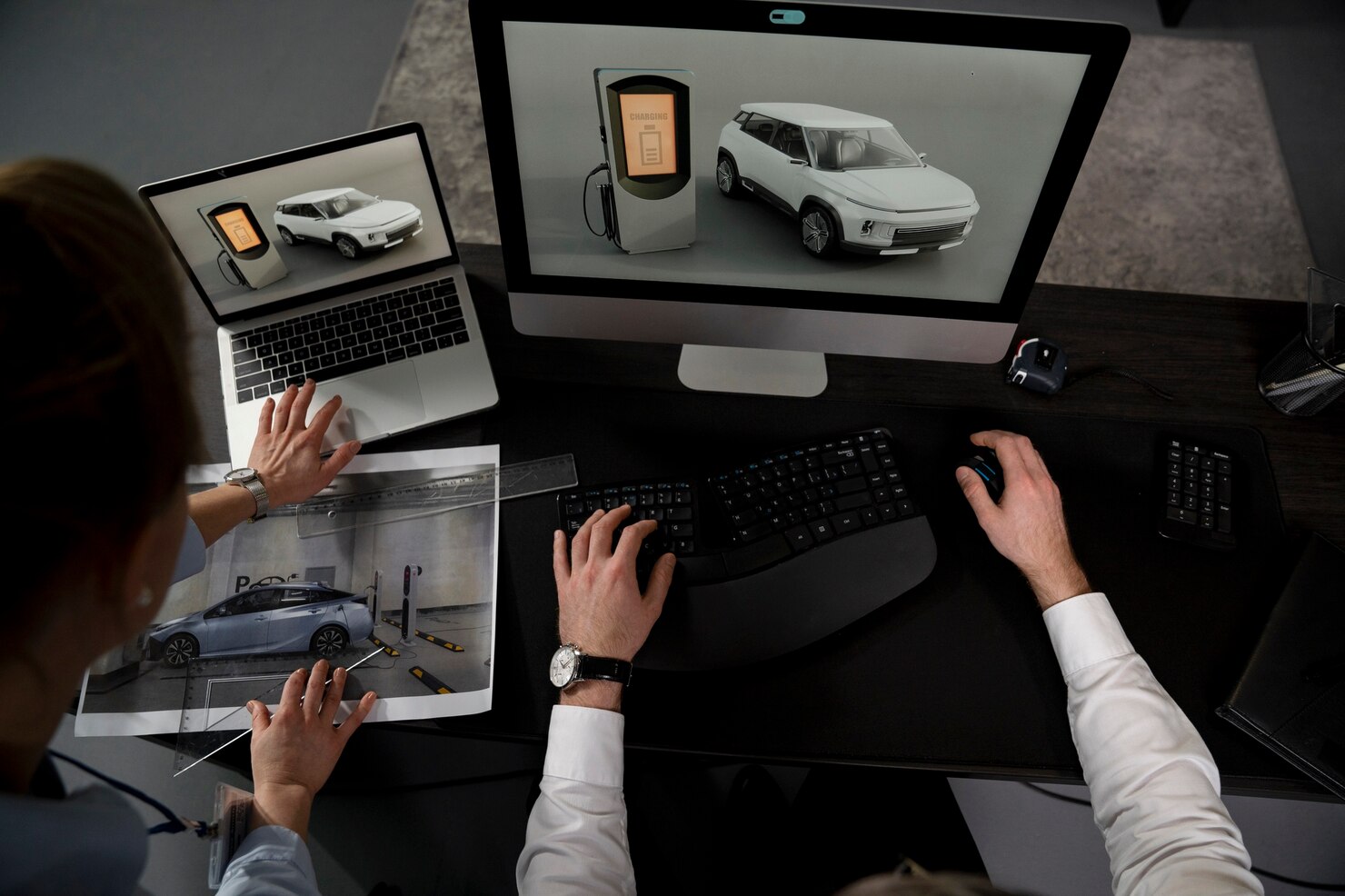
The Influence of Automobile Design on Performance and Consumer Experience
Automobile design plays a critical role in shaping performance, safety, and consumer satisfaction. From the earliest vehicles to modern high-performance cars, design encompasses aesthetics, aerodynamics, ergonomics, and functionality. How a car looks, feels, and performs on the road influences not only driving experience but also consumer perception, brand identity, and technological innovation. The evolution of design reflects the continuous pursuit of efficiency, comfort, and style in the automotive industry.
Aerodynamics is a fundamental aspect of vehicle design. Streamlined shapes reduce air resistance, improving fuel efficiency, speed, and stability. Modern automobiles often incorporate sleek curves, spoilers, and diffusers to optimize airflow. Aerodynamic efficiency is especially important for electric vehicles, as reducing drag extends battery range, enhancing both performance and sustainability.
Ergonomics and interior design directly impact the driving experience. Comfortable seating, intuitive control placement, and accessible features reduce fatigue and enhance safety. Drivers who can easily interact with vehicle controls while maintaining focus on the road experience increased confidence and satisfaction. Interior design also incorporates materials, lighting, and technology that create a sense of luxury, comfort, or sportiness depending on the vehicle segment.
Technological integration is a key factor in contemporary automobile design. Advanced infotainment systems, digital dashboards, adaptive cruise control, and driver assistance features are seamlessly incorporated into the cabin. These systems enhance convenience, connectivity, and safety. Design ensures that technology is accessible, intuitive, and non-intrusive, balancing modern capabilities with user-friendly interfaces.
Exterior design reflects brand identity and consumer appeal. Vehicle styling communicates personality, performance, and status. From aggressive sports cars to elegant luxury sedans, design conveys emotion and aspiration. Automotive companies invest heavily in creating distinctive visual signatures that resonate with consumers and reinforce brand recognition.
Safety design is paramount in modern automobiles. Crumple zones, reinforced frames, side-impact beams, and airbag placement protect occupants during collisions. Vehicle shape, visibility, and structural integrity influence crash performance. Designers collaborate with engineers to ensure that safety features are seamlessly integrated without compromising aesthetics or functionality.
Material selection influences weight, performance, and sustainability. Lightweight metals, composites, and advanced alloys enhance fuel efficiency and handling. Sustainable materials, such as recycled plastics and eco-friendly fabrics, align design with environmental responsibility. Choosing the right materials balances durability, aesthetics, and ecological impact, contributing to overall vehicle performance.
Performance-oriented design merges engineering with style. Sports cars, high-performance sedans, and racing vehicles integrate aerodynamic shapes, engine cooling systems, and suspension design to maximize speed, handling, and stability. Consumers who prioritize performance evaluate not only engine output but also how design supports control, balance, and responsiveness.
Consumer experience is closely linked to usability and aesthetics. Vehicles that are visually appealing, comfortable, and intuitive to operate create emotional connections with drivers. Design influences perception of quality, innovation, and reliability, shaping purchasing decisions and brand loyalty. Positive user experience strengthens the relationship between car owners and their vehicles.
Sustainability considerations increasingly influence design. Electric vehicles, hybrid models, and eco-friendly production methods require new approaches to aerodynamics, battery integration, and packaging. Designers innovate to balance performance, range, and functionality while minimizing environmental impact. Sustainable design is becoming a central focus in automotive development.
Lighting design enhances safety, visibility, and style. LED, adaptive, and matrix headlights improve night driving, reduce glare, and signal intentions to other drivers. Tail lights, turn indicators, and interior lighting also contribute to safety and aesthetics, demonstrating how design integrates form and function for optimal performance.
In essence, automobile design is a multidimensional process that balances engineering, aesthetics, functionality, and consumer appeal. It influences how vehicles perform, how they feel to drive, and how they are perceived by the market. The evolution of design reflects technological advancements, environmental considerations, and changing consumer expectations. Ultimately, design shapes not only the look of a car but also the experience of driving, connecting innovation with human emotion, safety, and satisfaction.