The Evolution of Automobiles and Their Impact on Modern Life
Automobiles have transformed the way humans live, work, and interact with the world, shaping modern society in ways that were unimaginable a century ago. From the earliest motor vehicles to today’s advanced electric and autonomous cars, the evolution of automobiles reflects technological innovation, cultural change, and economic development. The development of the automobile industry has not only revolutionized transportation but also influenced urban planning, environmental considerations, and lifestyle choices.
The early automobiles were simple machines designed to replace horse-drawn carriages. They required intensive manual operation and were often unreliable, yet they sparked a wave of curiosity and fascination. Inventors and engineers continually refined engines, chassis, and controls, gradually improving speed, efficiency, and durability. These advancements transformed automobiles from rare novelties into practical tools for personal and commercial use.
Mass production was a pivotal moment in the history of automobiles. The introduction of assembly line manufacturing by innovators such as Henry Ford made cars affordable for the general public. This accessibility expanded mobility, allowing individuals to travel greater distances for work, leisure, and social activities. Automobiles became more than machines—they became symbols of independence and personal freedom.
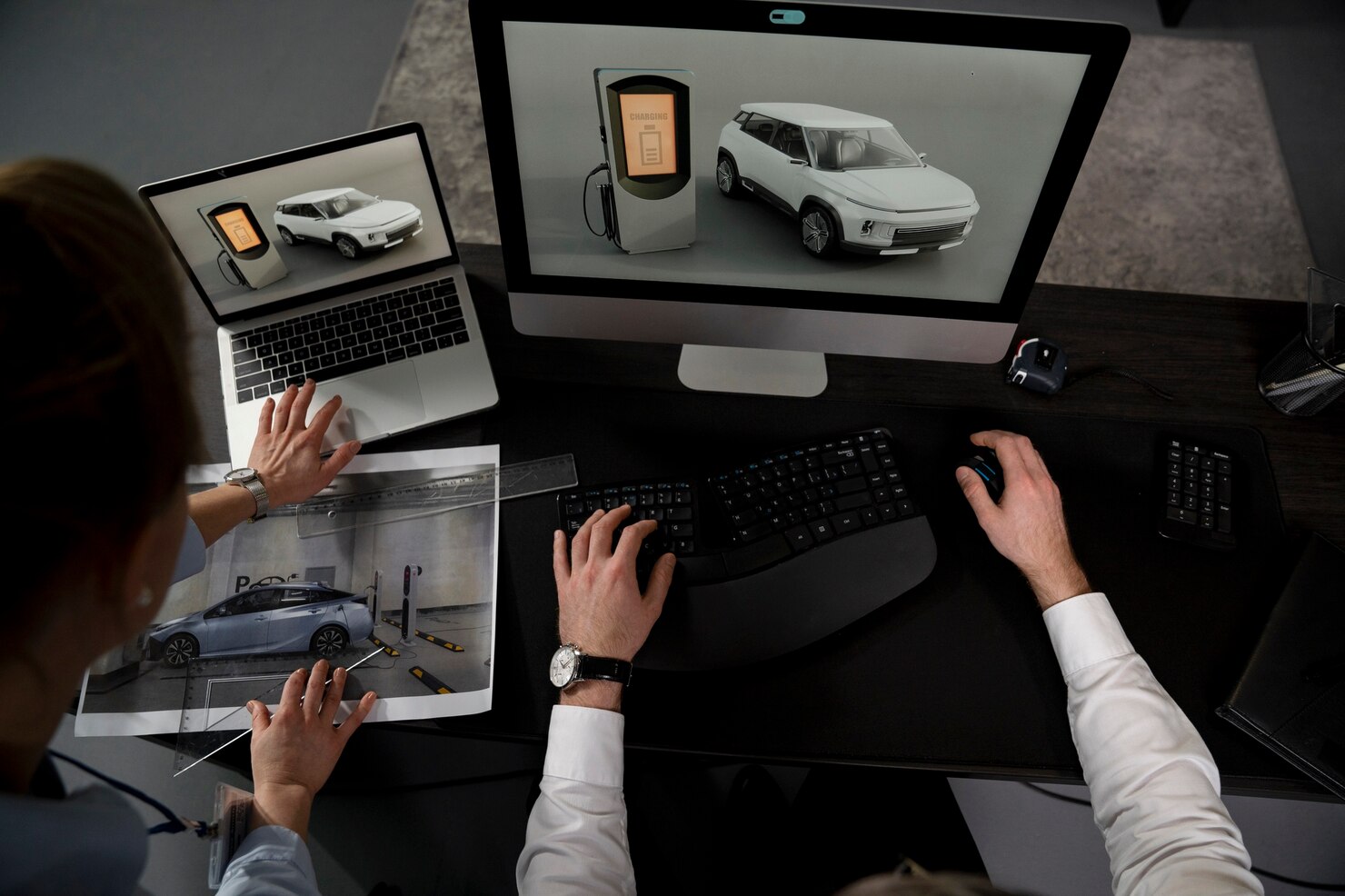
Technological advancements have continuously shaped automobiles. Innovations such as fuel injection, electronic controls, anti-lock braking systems, and airbags have improved safety, efficiency, and performance. Modern cars are equipped with advanced sensors, navigation systems, and entertainment features that enhance comfort and convenience. The integration of technology into automobiles has transformed driving into a sophisticated experience that balances safety, efficiency, and pleasure.
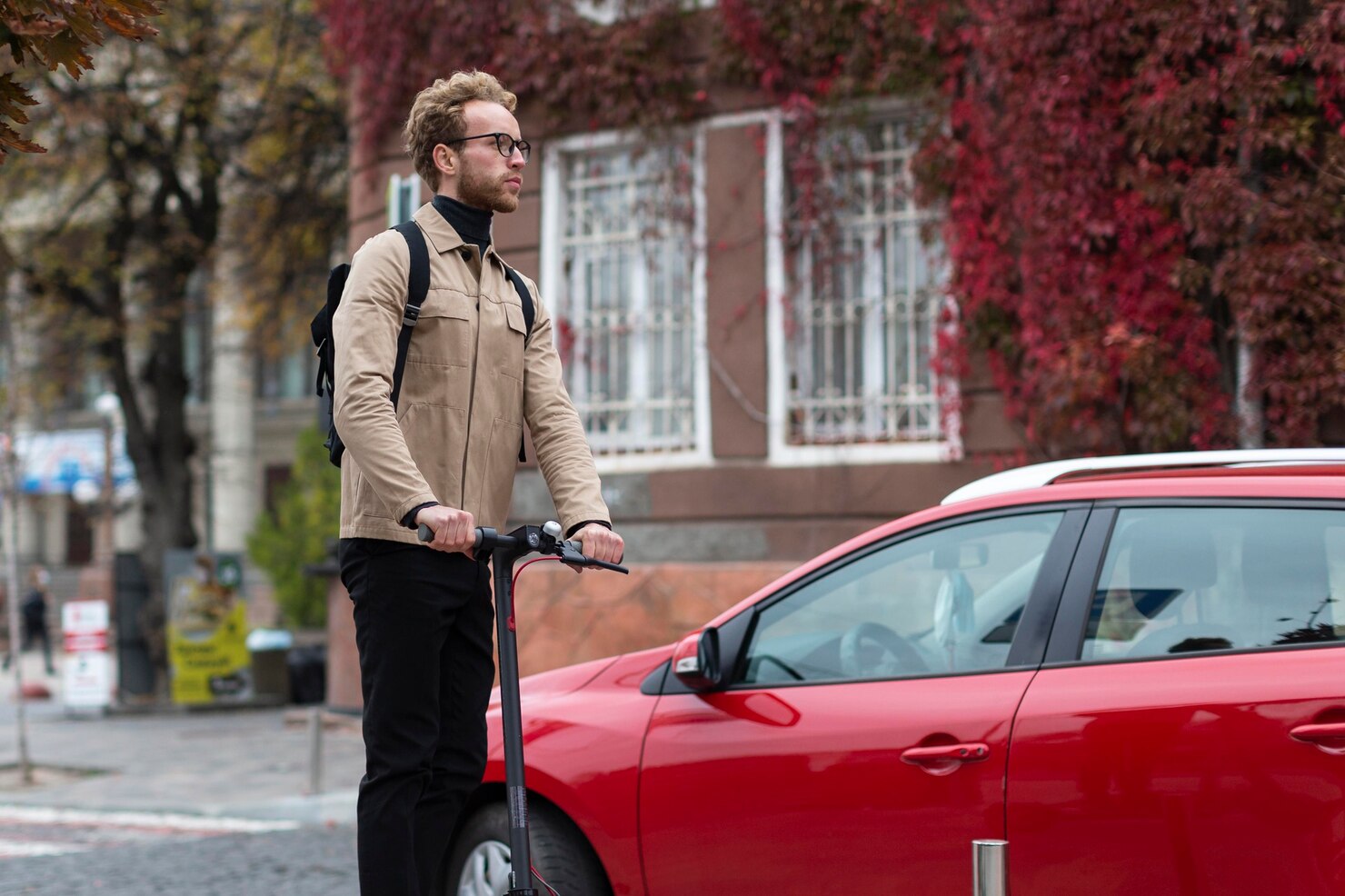
Automobiles have also reshaped urban development. The rise of personal vehicles influenced the construction of roads, highways, and bridges, facilitating suburban expansion. Cities evolved to accommodate traffic, parking, and public transportation systems, altering the landscape and lifestyle of urban and rural communities alike. The presence of automobiles has fundamentally changed how societies organize space and movement.
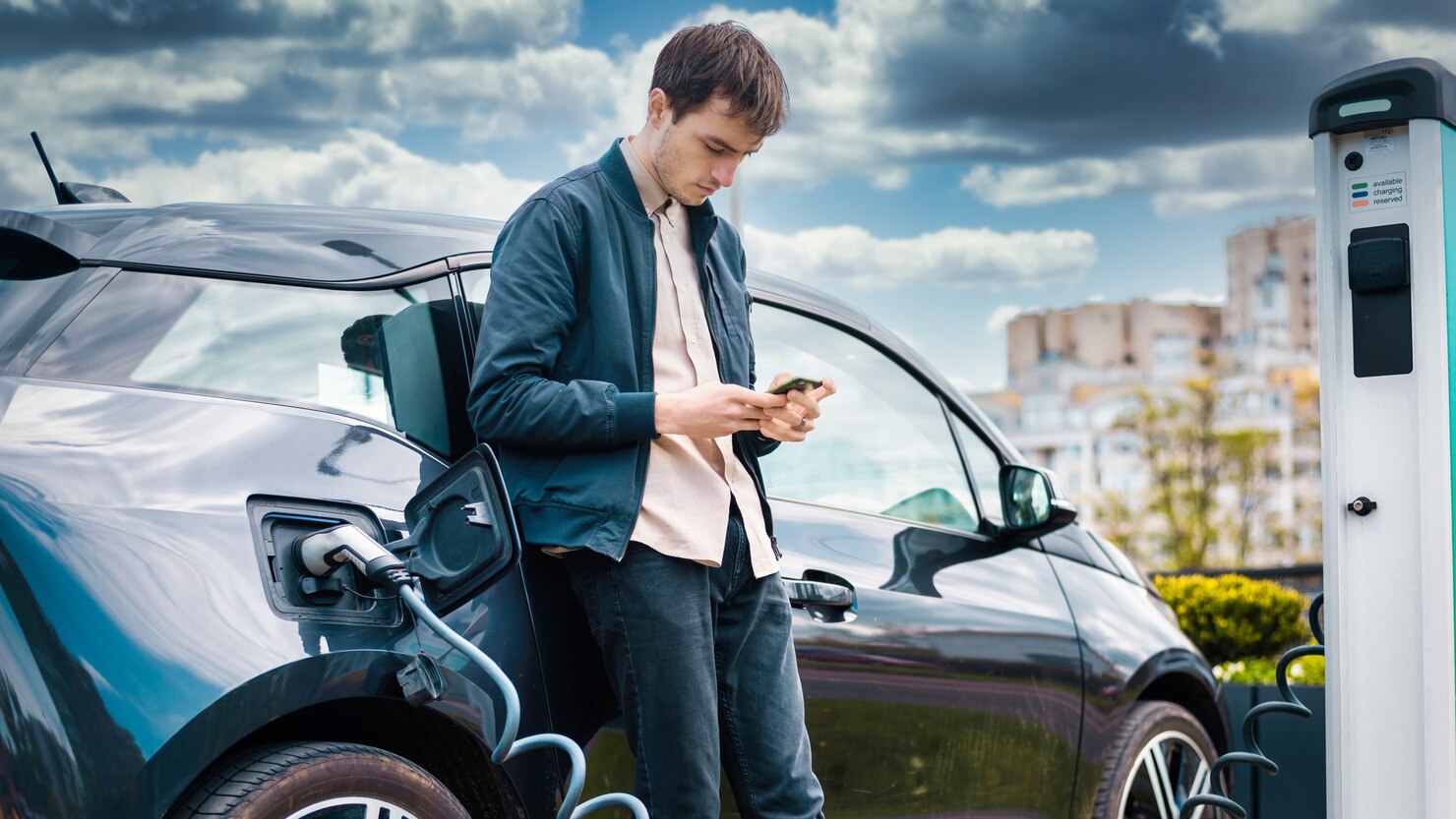
The environmental impact of automobiles has become a central consideration in modern transportation. Traditional vehicles relying on fossil fuels contribute to air pollution, greenhouse gas emissions, and resource depletion. This awareness has led to the development of hybrid, electric, and alternative fuel vehicles, as well as improvements in fuel efficiency. Automobiles now exist at the intersection of technological progress and environmental responsibility.
Automobiles also shape culture and identity. Car models, brands, and styles often reflect personality, taste, and social status. Cars appear in media, art, and entertainment, becoming cultural icons and symbols of freedom, adventure, and innovation. The automobile is not merely a means of transport but an expression of lifestyle and aspiration.
Safety has been a driving force in automobile innovation. Engineers and regulators have developed features such as seat belts, airbags, collision avoidance systems, and electronic stability controls to reduce accidents and protect occupants. Awareness of vehicle safety has shaped driving behavior, road design, and public policy, emphasizing the role of technology in safeguarding lives.
Economic impact is another significant aspect of automobiles. The automotive industry generates employment, supports supply chains, and drives innovation in engineering and manufacturing. Vehicle ownership influences personal finance, insurance, fuel consumption, and maintenance expenditures, making automobiles a central element of economic activity and consumer decision-making.
Automobiles encourage exploration, mobility, and connection. They enable people to travel for work, education, and leisure, broadening opportunities and experiences. Road trips, commuting, and international travel are facilitated by the availability of vehicles, enriching personal and professional life. The freedom of movement afforded by cars contributes to social interaction, cultural exchange, and global interconnectedness.
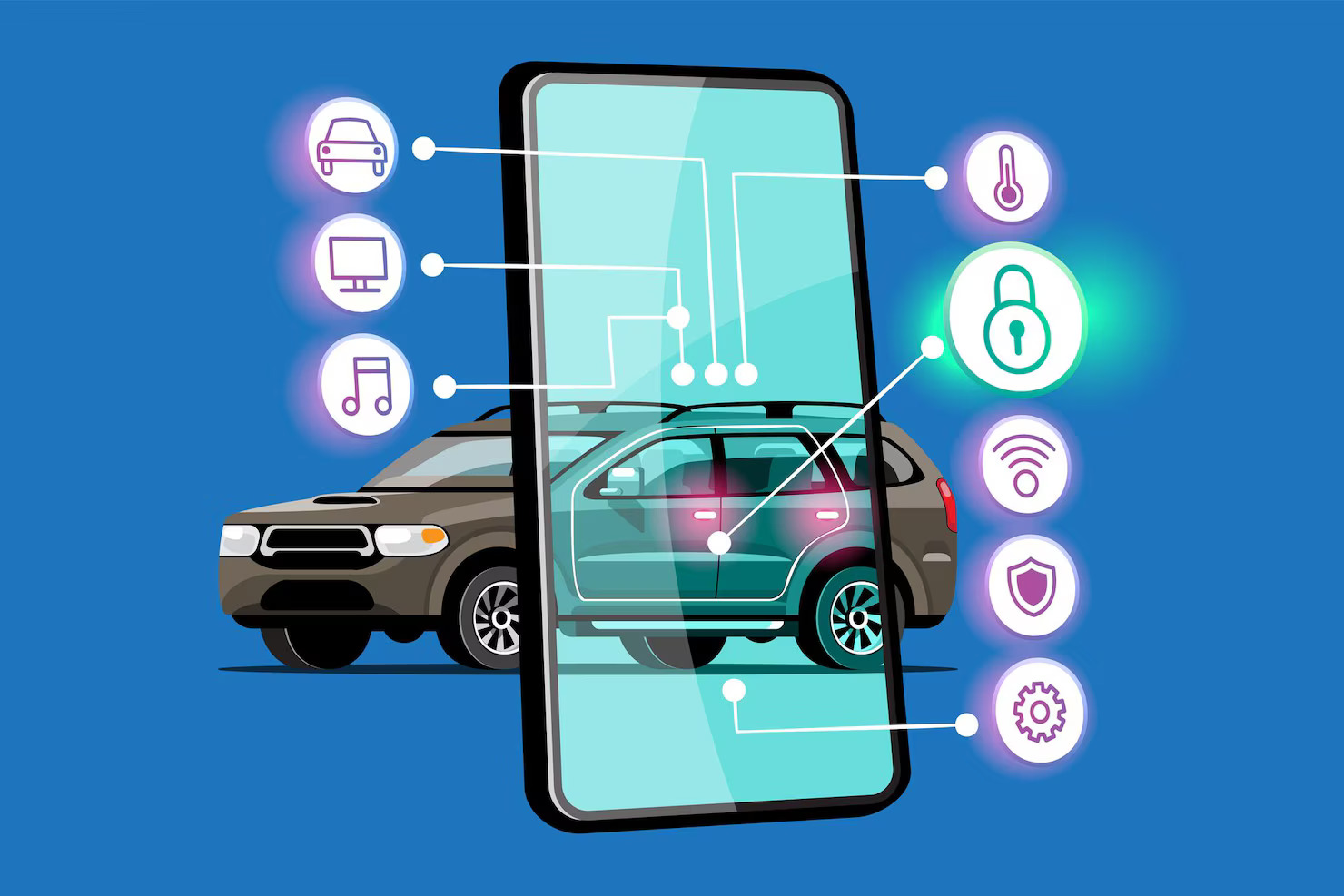
Automobile maintenance and technology continue to evolve. Advances in diagnostics, software, and smart vehicle systems allow for proactive care, performance optimization, and enhanced reliability. Vehicles now include features that assist drivers, monitor systems, and reduce the risk of breakdowns, improving overall user experience and satisfaction.
The future of automobiles is intertwined with innovation, sustainability, and automation. Electric vehicles, autonomous driving, connected cars, and smart infrastructure are reshaping mobility. These developments promise safer, cleaner, and more efficient transportation, redefining how people perceive and interact with automobiles. The evolution of cars reflects humanity’s ongoing pursuit of efficiency, convenience, and progress.
Ultimately, automobiles are more than machines—they are instruments of societal transformation, personal freedom, and technological innovation. They impact everyday life, culture, economy, and the environment. The evolution of automobiles demonstrates humanity’s creativity, adaptability, and aspiration, highlighting the enduring significance of vehicles in shaping modern existence.