The Evolution of Automobile Safety and Its Impact on Society
Automobile safety has been a central focus of the automotive industry since the earliest days of vehicle development. Over the decades, advancements in safety features, regulations, and driver awareness have transformed cars from simple machines into complex systems designed to protect occupants, pedestrians, and society at large. The evolution of automobile safety has not only reduced accidents and fatalities but also reshaped public expectations, vehicle design, and transportation policy.
Early automobiles lacked standardized safety measures. Drivers faced significant risks due to limited knowledge of traffic management, mechanical unreliability, and inadequate protection in collisions. Accidents were frequent, often resulting in serious injuries or fatalities. The need for systematic safety measures became increasingly apparent as vehicles became more common and road networks expanded.
The introduction of basic safety features marked the first major shift. Seat belts, braking systems, and reinforced vehicle frames provided essential protection for occupants. Governments and automobile associations promoted awareness campaigns, encouraging drivers to adopt safety practices. Even simple innovations had a substantial impact, demonstrating that safety could be engineered into vehicles to save lives.
Advances in materials and vehicle design further enhanced safety. Crumple zones, energy-absorbing materials, and reinforced passenger cabins reduce the impact of collisions. Vehicle structures are carefully engineered to manage force distribution, protecting occupants while minimizing damage. These design improvements reflect the integration of physics, engineering, and human-centered thinking in automotive safety.
Technological innovation has accelerated safety developments. Anti-lock braking systems (ABS), electronic stability control, traction control, and airbags are standard in modern vehicles. These technologies reduce accident risk, prevent loss of control, and protect passengers during crashes. Advanced driver-assistance systems, including lane departure warnings, blind-spot monitoring, and adaptive cruise control, further enhance safety by supporting human decision-making.
Autonomous and semi-autonomous vehicles represent the next frontier in automobile safety. Self-driving systems reduce reliance on human reflexes, which are often the cause of accidents. By combining sensors, artificial intelligence, and predictive algorithms, autonomous cars can anticipate hazards, respond to dynamic traffic conditions, and minimize collisions. These systems promise to transform road safety on a societal scale.
Traffic regulations and urban planning complement vehicle safety innovations. Speed limits, signage, pedestrian crossings, and traffic management strategies reduce risks on the road. Enforcement, public education campaigns, and driver training ensure that technology and infrastructure work together to protect society. A comprehensive approach to safety considers both vehicles and the environments in which they operate.
Consumer awareness and behavior play a crucial role in safety outcomes. Responsible driving, proper vehicle maintenance, and adherence to safety protocols enhance the effectiveness of safety technologies. Vehicle safety ratings, crash tests, and public information campaigns empower consumers to make informed choices, promoting a culture of responsibility on the road.
The societal impact of improved automobile safety is profound. Reduced fatalities and injuries alleviate economic, emotional, and healthcare burdens. Safer vehicles and roads allow more people to travel with confidence, supporting mobility, commerce, and social interaction. Safety improvements contribute to public trust in transportation systems and foster a sense of security in daily life.
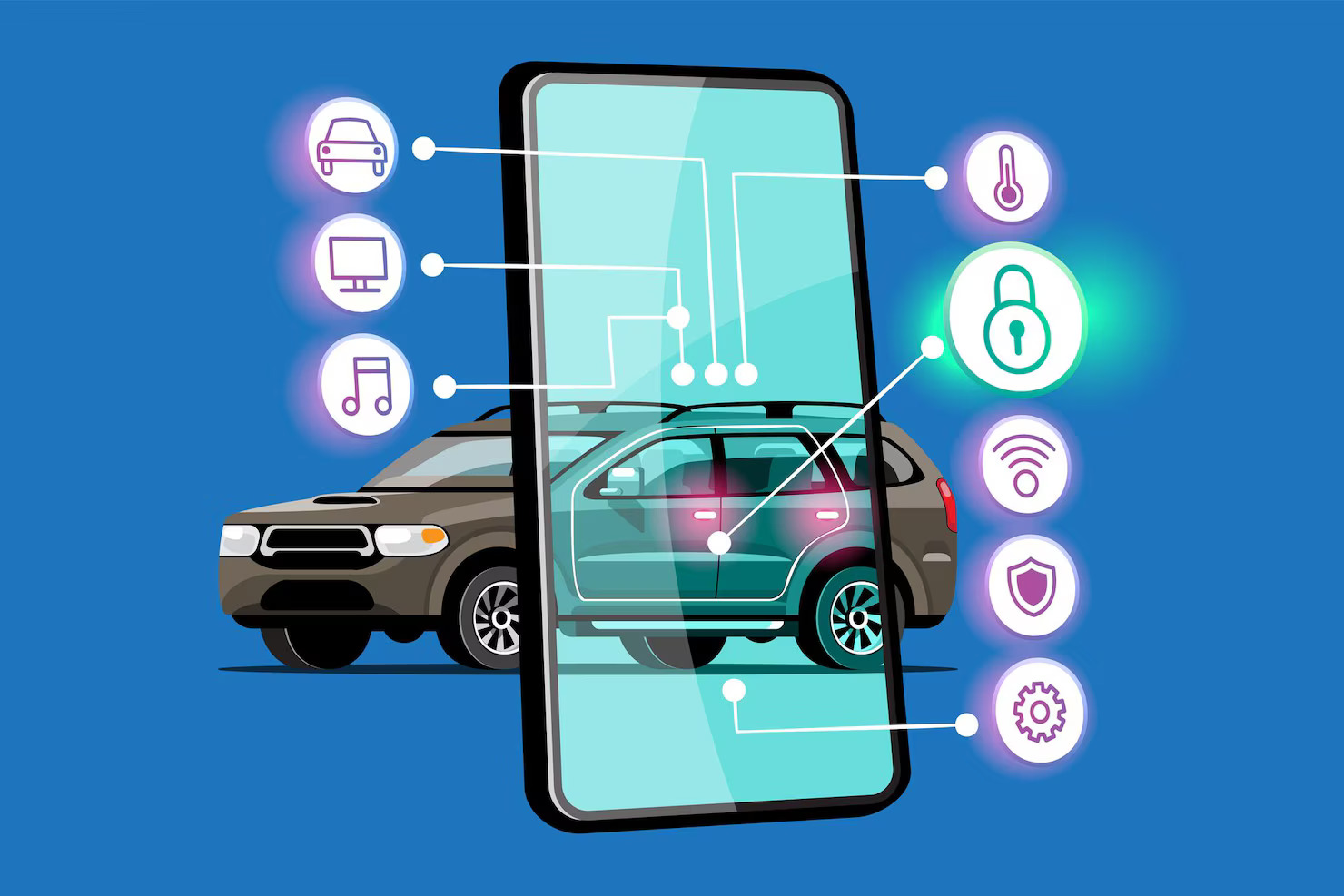
Environmental and technological integration further enhance safety. Modern vehicles are equipped with emergency response systems, connected vehicle networks, and real-time diagnostics. These systems alert authorities, optimize traffic flow, and provide critical information during emergencies. Technology ensures that safety extends beyond the individual vehicle to the broader transportation ecosystem.
Ultimately, automobile safety reflects the intersection of engineering, technology, policy, and human behavior. The evolution of safety features has saved countless lives, shaped industry standards, and transformed societal expectations. From seat belts to autonomous vehicles, advancements in safety continue to define how people interact with automobiles, emphasizing the importance of protection, responsibility, and innovation in modern mobility.