The Environmental Challenges and Opportunities in the Automotive Sector
Automobiles have transformed human life, but their widespread use has also created significant environmental challenges. From greenhouse gas emissions to resource consumption, the environmental impact of vehicles is a central concern for policymakers, manufacturers, and consumers alike. At the same time, technological innovation in the automotive sector presents opportunities to mitigate these effects, paving the way for sustainable transportation and greener mobility solutions.
Traditional internal combustion engine vehicles are major contributors to air pollution and climate change. Burning gasoline or diesel releases carbon dioxide, nitrogen oxides, and particulate matter into the atmosphere. These emissions contribute to global warming, deteriorating air quality, and adverse health effects. Cities with heavy traffic congestion experience smog, respiratory issues, and reduced quality of life, highlighting the environmental consequences of automobiles.
Fuel consumption is another critical environmental issue. Vehicles that rely on fossil fuels deplete finite resources and create dependence on oil imports, with geopolitical and economic implications. Efficient fuel use, alternative energy adoption, and reduction in unnecessary travel are essential to address these concerns while maintaining mobility needs.
Automobile manufacturing itself impacts the environment. Production processes consume energy, water, and raw materials, and generate waste. Steel, aluminum, plastics, and other materials require extraction and processing, contributing to resource depletion and environmental degradation. Sustainable manufacturing practices, recycling, and responsible sourcing of materials are increasingly emphasized to reduce ecological footprints.
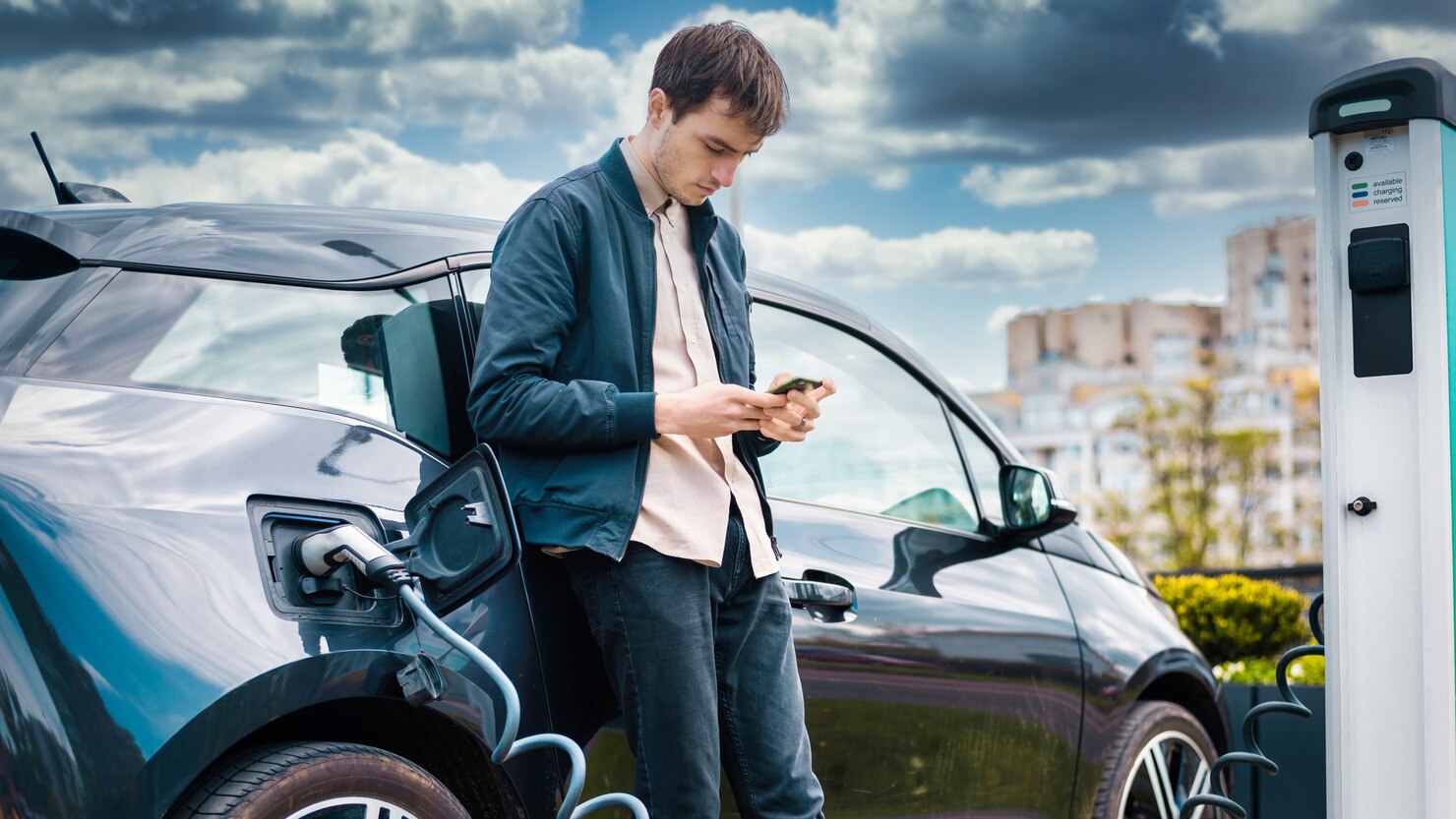
The rise of electric vehicles represents a significant opportunity to reduce emissions and improve sustainability. EVs produce zero tailpipe emissions, particularly when paired with renewable energy sources for charging. Advances in battery technology, energy recovery systems, and lightweight materials further enhance efficiency. Transitioning to electric mobility is a central strategy in reducing the environmental impact of transportation.
Hybrid vehicles offer a transitional solution. By combining internal combustion engines with electric propulsion, hybrids reduce fuel consumption and emissions without requiring complete infrastructure overhaul. These vehicles demonstrate how technology can bridge the gap between conventional cars and fully electric transportation systems, offering immediate environmental benefits.
Shared mobility and carpooling also reduce environmental pressure. Ride-sharing, public transportation integration, and car-sharing models decrease the number of vehicles on the road, lowering emissions, congestion, and energy consumption. These approaches promote efficient use of resources and sustainable urban mobility practices.
Automotive innovation focuses on renewable materials and recycling. Biodegradable plastics, recycled metals, and sustainable interior components reduce environmental impact. End-of-life vehicle recycling ensures that components are repurposed or disposed of responsibly, minimizing waste and resource depletion.
Policy and regulation play a key role in mitigating the environmental impact of automobiles. Emission standards, fuel efficiency regulations, incentives for electric vehicles, and urban planning initiatives encourage responsible vehicle use and development. Governments worldwide are implementing policies that guide the automotive sector toward sustainability while balancing economic growth and mobility needs.
Consumer behavior influences environmental outcomes. Individuals who choose fuel-efficient, electric, or hybrid vehicles, reduce unnecessary driving, and support sustainable practices contribute to a healthier environment. Awareness and education are critical for fostering responsible vehicle use and encouraging adoption of environmentally friendly technologies.
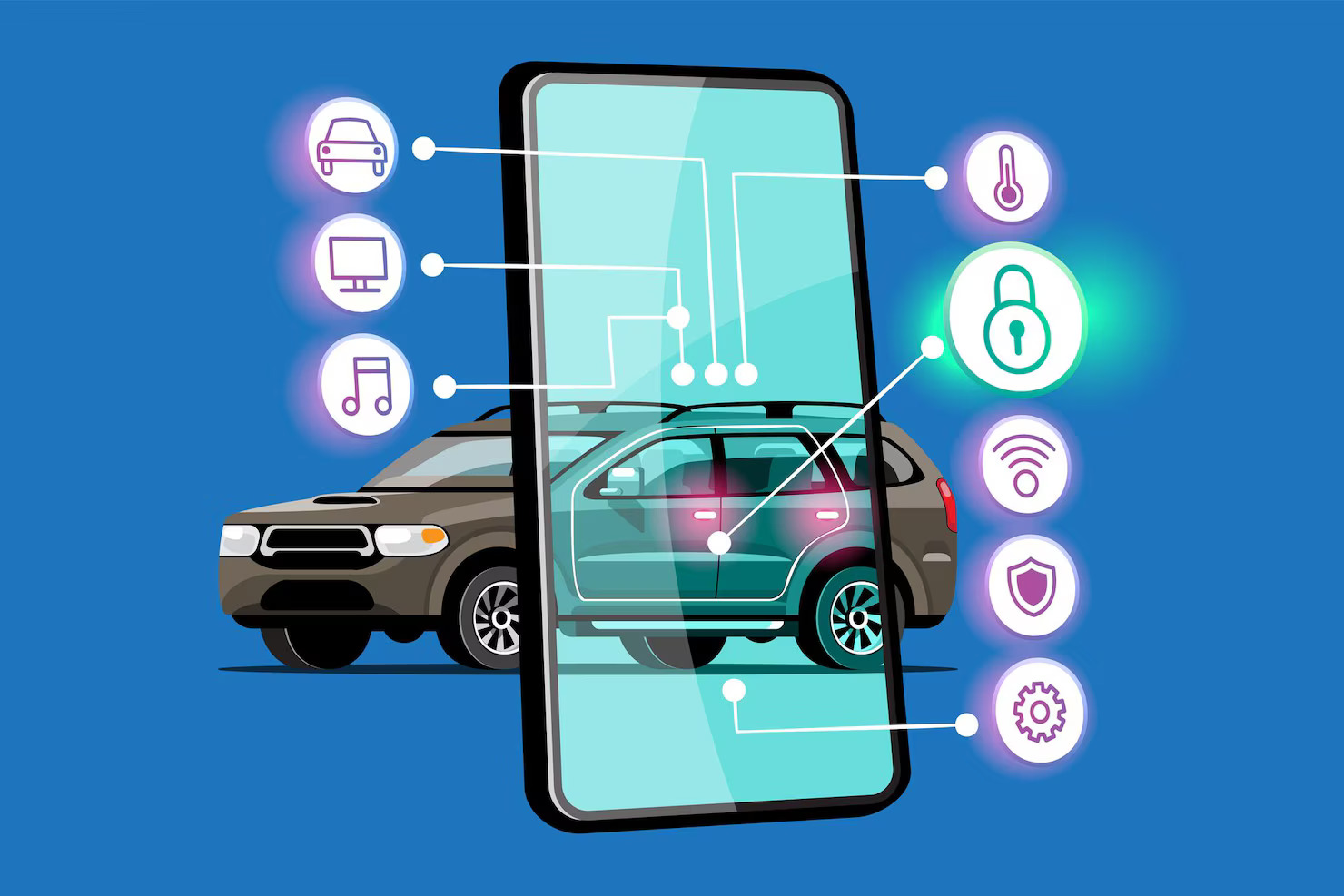
Autonomous and connected vehicles offer potential environmental benefits. Optimized routing, adaptive traffic management, and efficient driving algorithms reduce fuel consumption and congestion. Smart transportation networks integrate vehicles into sustainable urban planning, demonstrating how technology can enhance both efficiency and environmental stewardship.
Ultimately, the automotive sector faces a dual challenge: meeting human mobility needs while minimizing environmental impact. Technological innovation, sustainable manufacturing, alternative fuels, and conscious consumer behavior are essential to achieving this balance. By addressing environmental challenges and embracing opportunities, the automobile industry can evolve toward greener, cleaner, and more responsible transportation solutions, shaping a future where mobility and sustainability coexist harmoniously.