The Significance of Home and Interior Design in Daily Life
Home and interior design play a pivotal role in shaping modern lifestyles, influencing comfort, productivity, mental well-being, and personal expression. The living environment reflects values, aesthetics, and priorities, making it a cornerstone of daily life that impacts both physical and emotional health.
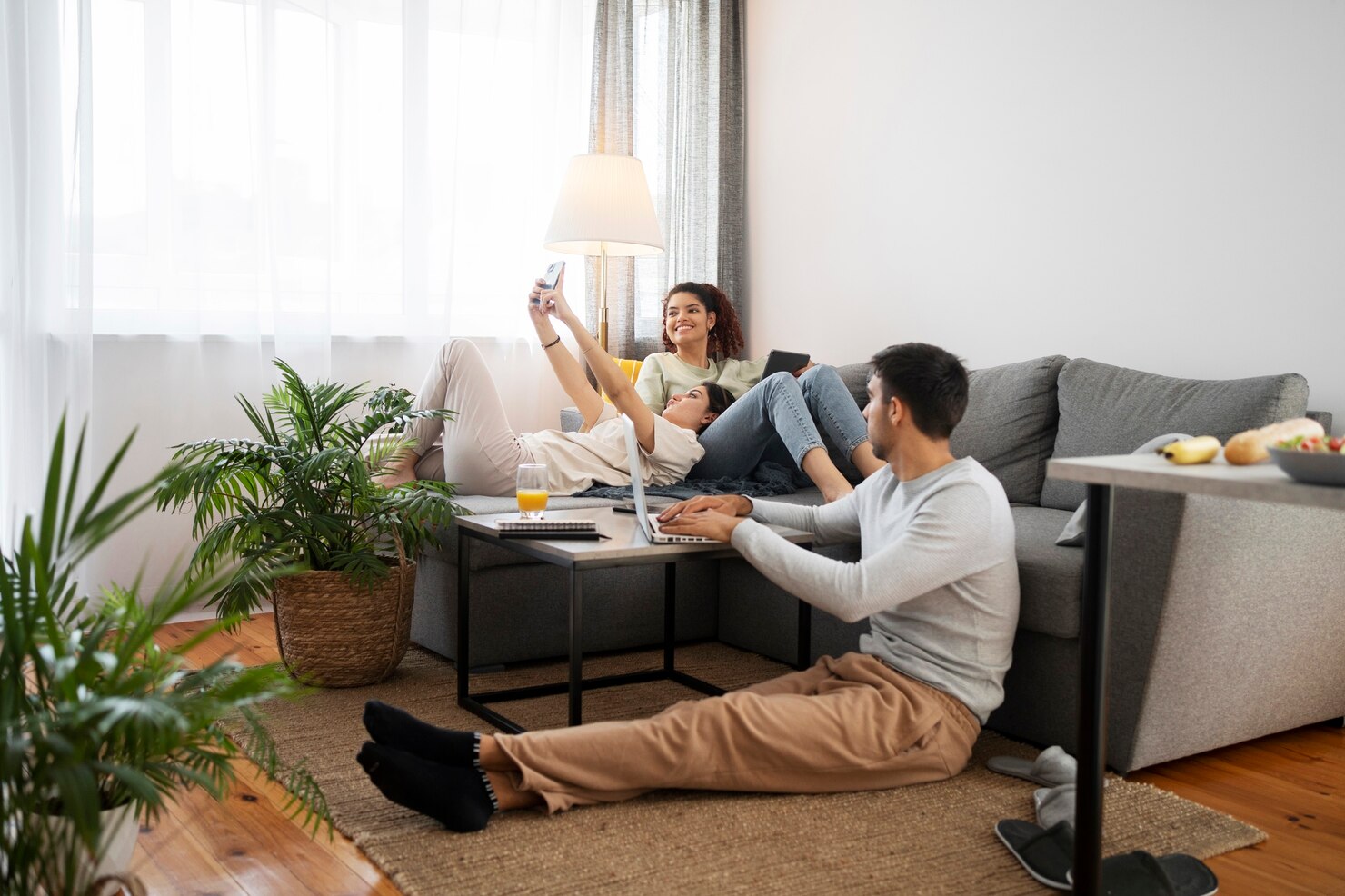
Functional design enhances daily routines. Thoughtfully arranged spaces, ergonomic furniture, and efficient layouts improve workflow, reduce clutter, and create a sense of order. Well-planned interiors optimize space utilization, supporting household activities, work-from-home setups, and leisure pursuits without compromising comfort or style.
Aesthetic appeal contributes to mental well-being. Colors, textures, lighting, and decor create ambiance, evoke emotions, and influence mood. Warm tones and natural elements promote relaxation, while vibrant colors stimulate energy and creativity. Interior design becomes a tool for emotional balance, enhancing the psychological impact of living spaces.
Organization and storage solutions are vital components of modern homes. Adequate shelving, cabinets, and minimalist design reduce clutter, streamline access, and foster a sense of calm. Efficient organization improves time management, reduces stress, and enhances the overall living experience, aligning lifestyle with simplicity and order.
Personalization reflects identity and taste. Art, photographs, decorative items, and furnishings convey personality and cultural preferences. Integrating personal touches into home design creates a sense of belonging, satisfaction, and pride, reinforcing the connection between space and self-expression.
Sustainable and eco-friendly design is increasingly prioritized. Energy-efficient appliances, renewable materials, natural lighting, and waste-reduction practices minimize environmental impact while promoting cost savings. Sustainable interiors align lifestyle choices with environmental consciousness, fostering responsibility and long-term well-being.
Health and wellness are integral to home design. Proper ventilation, indoor plants, natural light, and ergonomic furniture support physical health and mental clarity. Spaces that prioritize comfort, hygiene, and relaxation contribute to overall wellness, enabling residents to thrive physically and emotionally.
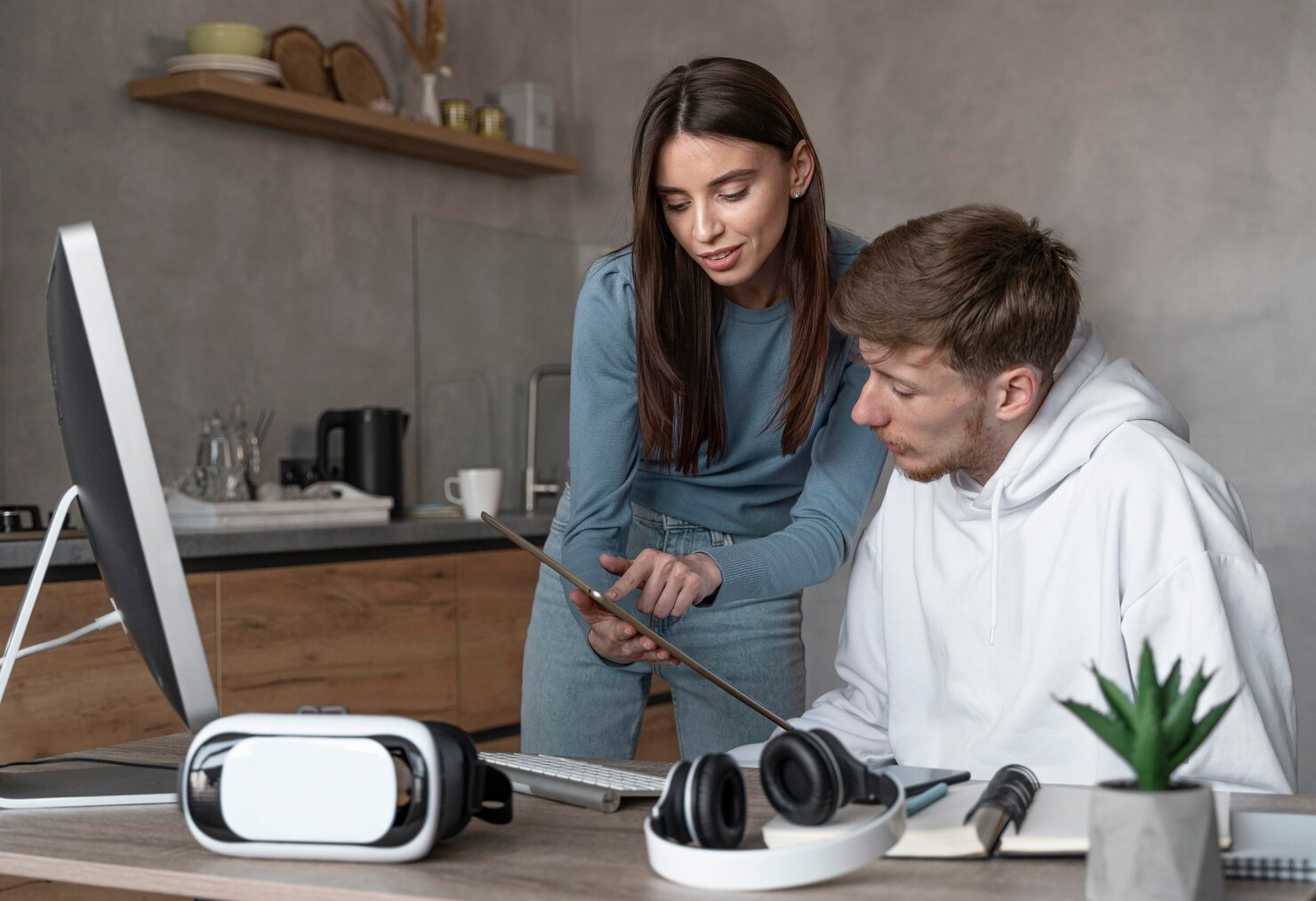
Technology integration enhances convenience and lifestyle quality. Smart home systems, automated lighting, climate control, and security devices create seamless living experiences. Technology facilitates efficiency, safety, and comfort, allowing individuals to focus on personal growth, leisure, and meaningful activities.
Flexibility and adaptability support evolving lifestyle needs. Modular furniture, multifunctional spaces, and creative layouts accommodate changing family dynamics, work requirements, and leisure pursuits. Adaptive design ensures long-term utility and comfort, reflecting a forward-thinking approach to modern living.
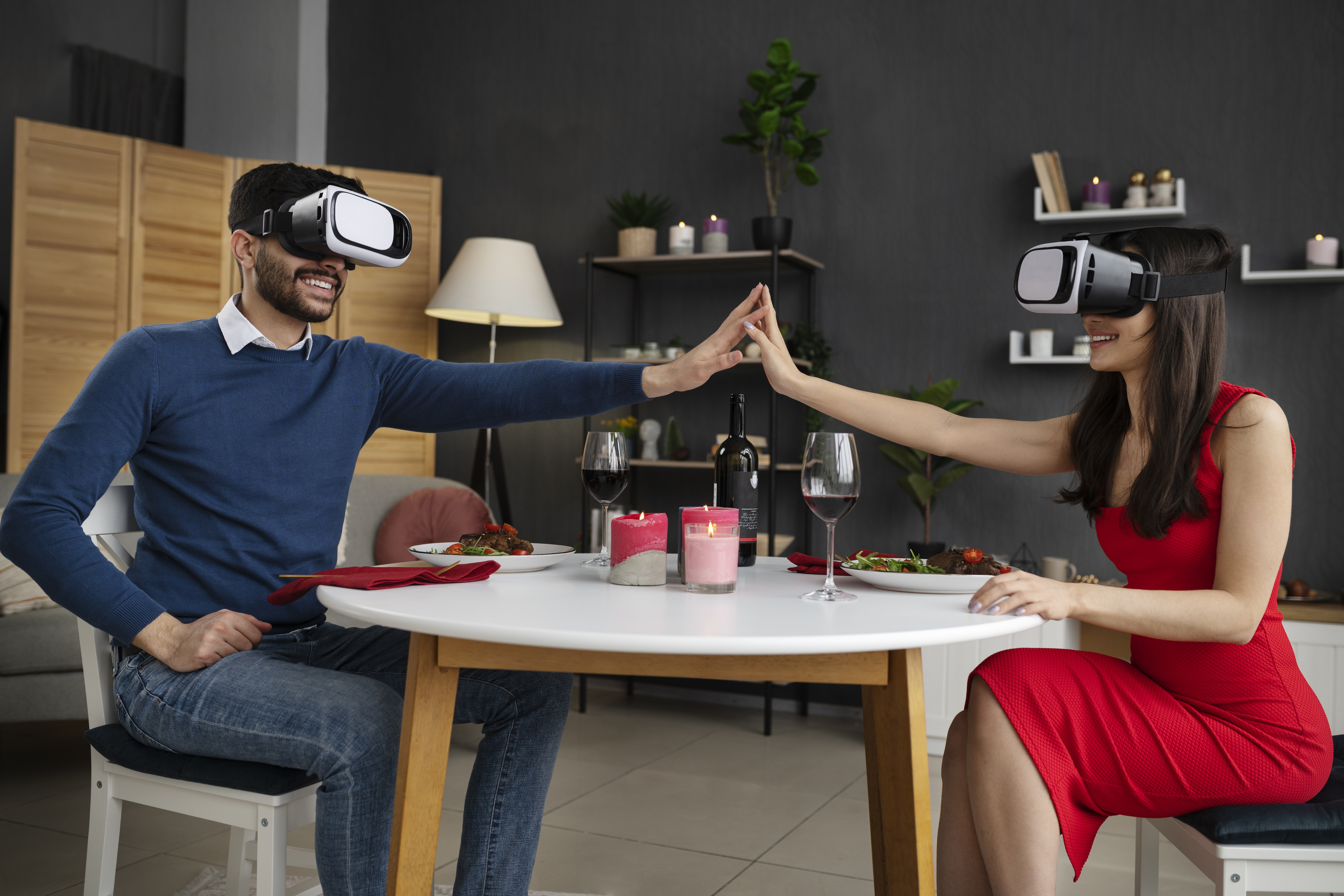
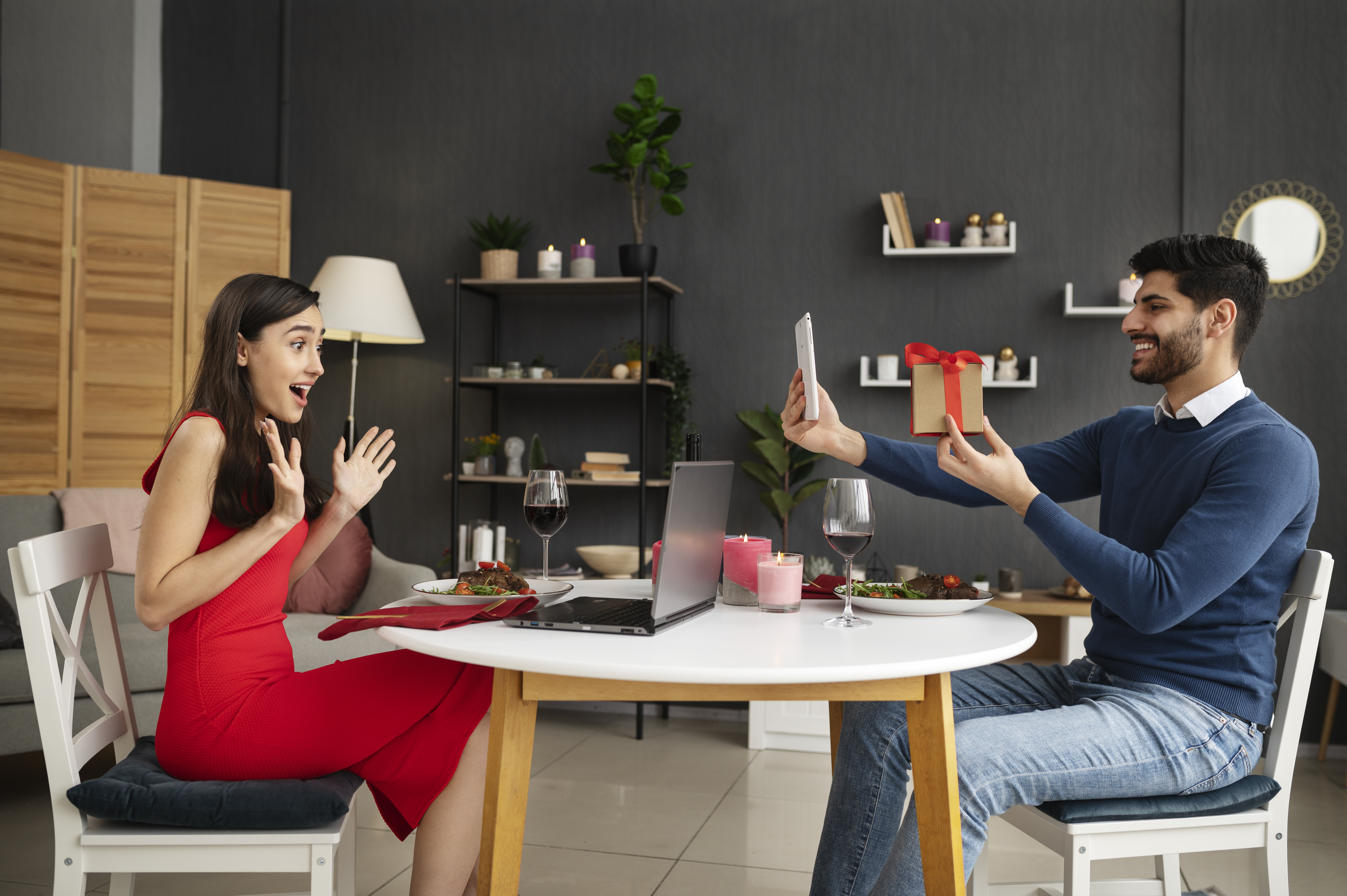
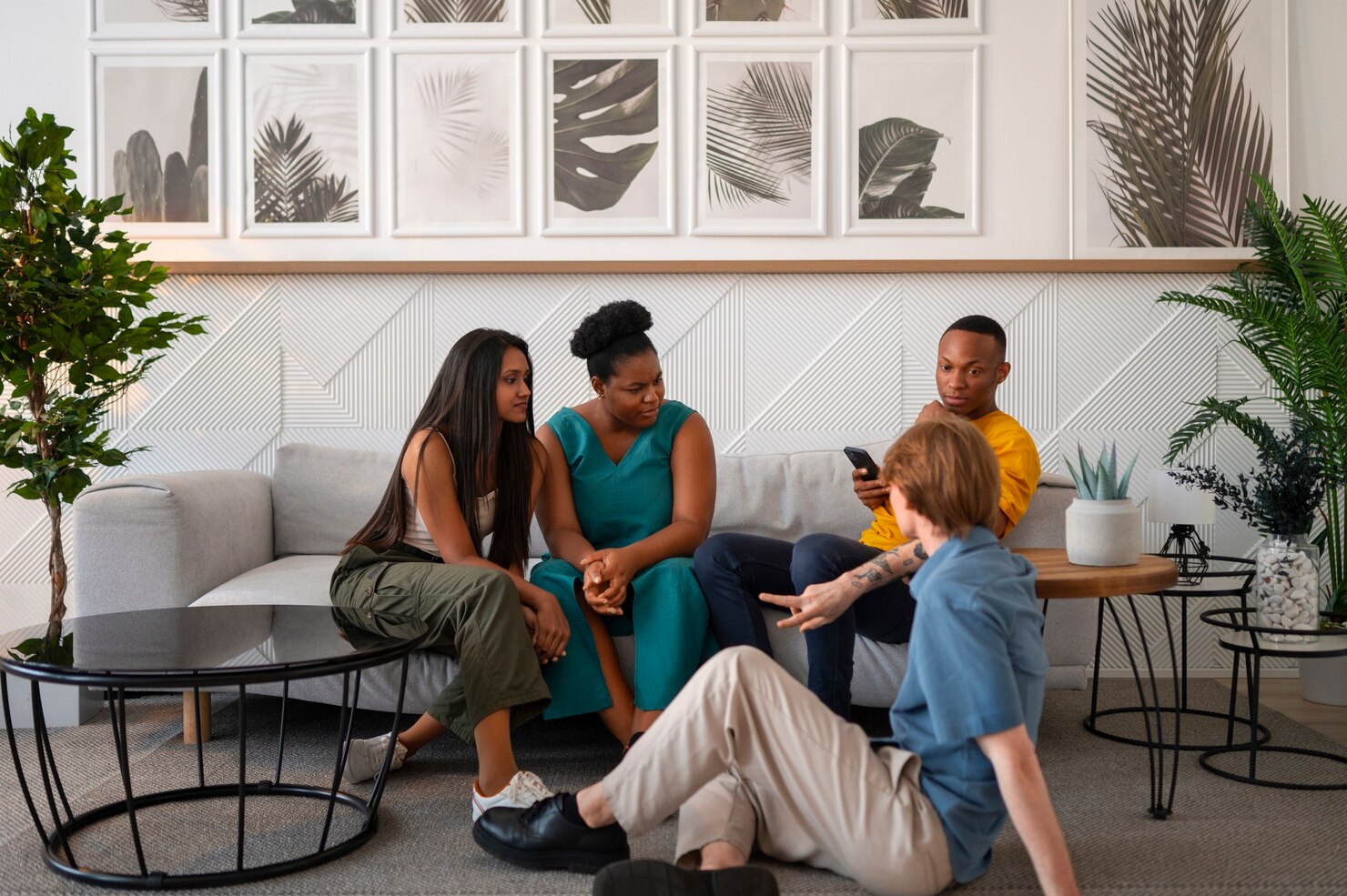
Social spaces enhance interaction and community within the home. Living rooms, dining areas, and communal spaces encourage gatherings, celebrations, and meaningful conversations. Thoughtful design fosters connection, collaboration, and positive social engagement, enriching both family life and social networks.
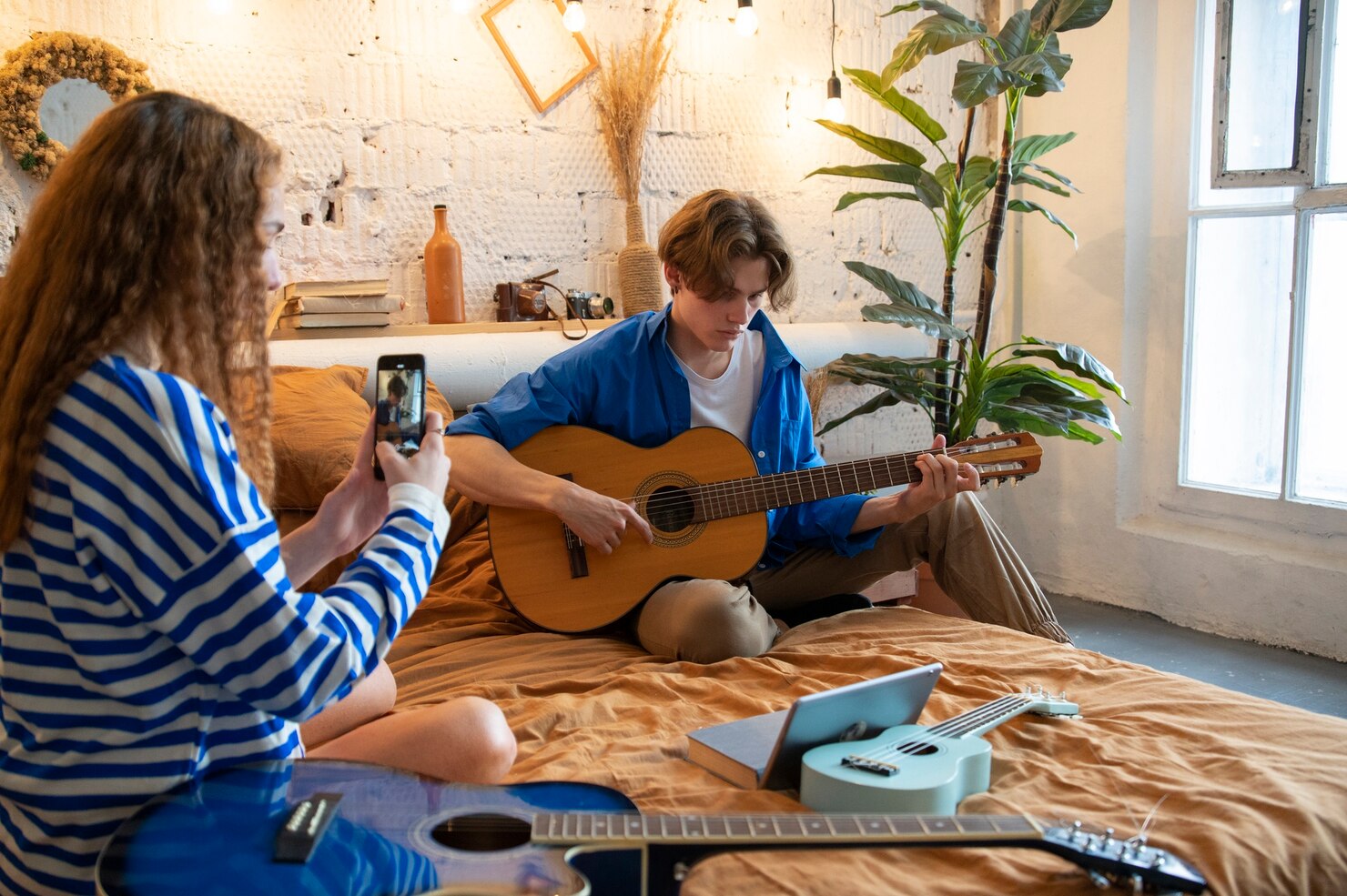
Interior design also supports creativity and inspiration. Studios, workspaces, or hobby corners integrated into home design encourage artistic expression, skill development, and personal projects. Creating dedicated areas for creativity promotes growth, fulfillment, and a sense of accomplishment in daily life.
Ultimately, home and interior design are central to modern lifestyle, shaping daily experiences, emotional well-being, and personal identity. By integrating functionality, aesthetics, sustainability, and personalization, individuals create environments that enhance comfort, productivity, and happiness. Thoughtful design empowers residents to cultivate a harmonious, balanced, and fulfilling lifestyle while reflecting values, priorities, and individuality.