The Influence of Fashion and Personal Style on Modern Living
Fashion and personal style are powerful expressions of identity, culture, and lifestyle, shaping how individuals present themselves and interact with the world. Modern living emphasizes self-expression, creativity, and awareness of trends, making fashion an integral aspect of daily life that reflects personality, values, and social context.
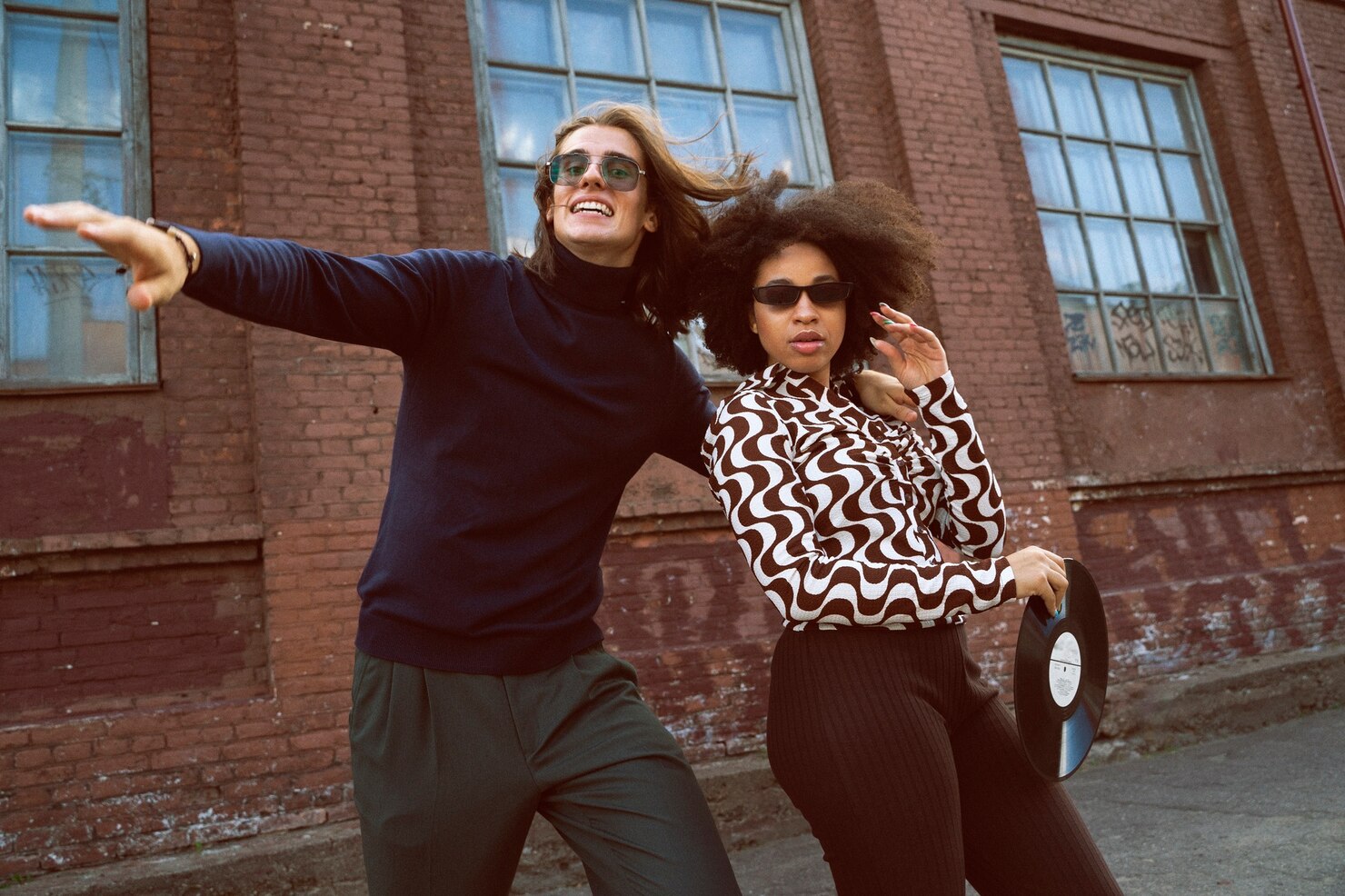
Clothing choices communicate individuality and cultural alignment. Colors, patterns, textures, and cuts convey mood, confidence, and personal taste. Selecting outfits that resonate with one’s identity reinforces self-esteem, boosts confidence, and influences how others perceive and interact with an individual in personal, social, and professional settings.
Fashion trends evolve rapidly, influenced by designers, media, celebrities, and cultural shifts. Staying aware of trends allows individuals to incorporate contemporary elements into their wardrobe while maintaining personal authenticity. Trend awareness fosters creativity, experimentation, and engagement with broader cultural movements, connecting personal style to societal expression.
Sustainable fashion has gained prominence as individuals become conscious of environmental impact. Ethical sourcing, eco-friendly materials, and responsible production practices allow consumers to align lifestyle choices with values. Sustainable style choices not only reduce ecological footprints but also promote mindful consumption, responsible living, and ethical awareness.
Accessories and grooming complement personal style. Jewelry, watches, footwear, hairstyles, and personal care routines enhance the overall appearance, adding layers of personality and refinement. Attention to detail in grooming and accessories demonstrates self-respect, discipline, and consideration for presentation, influencing social interactions and confidence.
Fashion intersects with lifestyle through comfort and functionality. Modern clothing incorporates materials and designs that accommodate active living, work demands, and leisure activities. Balancing aesthetics with practicality ensures that style supports daily routines, enhances mobility, and aligns with personal and professional responsibilities.
Cultural influences shape fashion choices. Traditional attire, regional aesthetics, and heritage-inspired designs preserve identity, connect individuals with roots, and celebrate diversity. Integrating cultural elements into modern fashion fosters pride, creativity, and awareness of global styles while maintaining relevance in contemporary contexts.
Fashion is increasingly digital, with e-commerce, social media, and virtual platforms transforming how individuals discover, purchase, and showcase clothing. Online platforms provide accessibility, variety, and convenience, enabling individuals to experiment with styles, track trends, and express creativity in virtual communities.
Psychological aspects of fashion impact lifestyle and well-being. Dressing in alignment with mood, aspirations, or social goals influences confidence, motivation, and perceived competence. Thoughtful wardrobe choices can enhance self-expression, support personal branding, and facilitate positive social interactions in various environments.
Fashion as a form of storytelling allows individuals to convey narratives, beliefs, and aspirations. Outfits communicate messages about professionalism, creativity, cultural awareness, or individuality. By curating clothing intentionally, individuals shape perceptions, foster identity, and navigate social dynamics effectively.
Economic considerations influence fashion consumption. Budgeting, investing in versatile pieces, and prioritizing quality over quantity ensures sustainable and cost-effective wardrobe management. Conscious spending on fashion aligns with broader lifestyle priorities, balancing personal expression with financial responsibility.
Ultimately, fashion and personal style are integral to modern lifestyle, influencing self-perception, social interactions, and cultural engagement. By consciously curating clothing, grooming, and accessories, individuals communicate identity, enhance confidence, and navigate societal expectations. Integrating fashion into daily life reflects creativity, values, and intentional living, shaping both personal fulfillment and social presence.