How Travel Inspires Creativity, Curiosity, and Lifelong Learning
Travel is a powerful catalyst for creativity and learning, offering experiences that inspire curiosity and expand knowledge. Exposure to new environments, cultures, and perspectives stimulates the mind in ways that routine life rarely provides. Travelers often return with fresh ideas, innovative thinking, and a renewed sense of wonder. Beyond leisure, travel functions as a continuous educational journey, encouraging observation, reflection, and exploration.
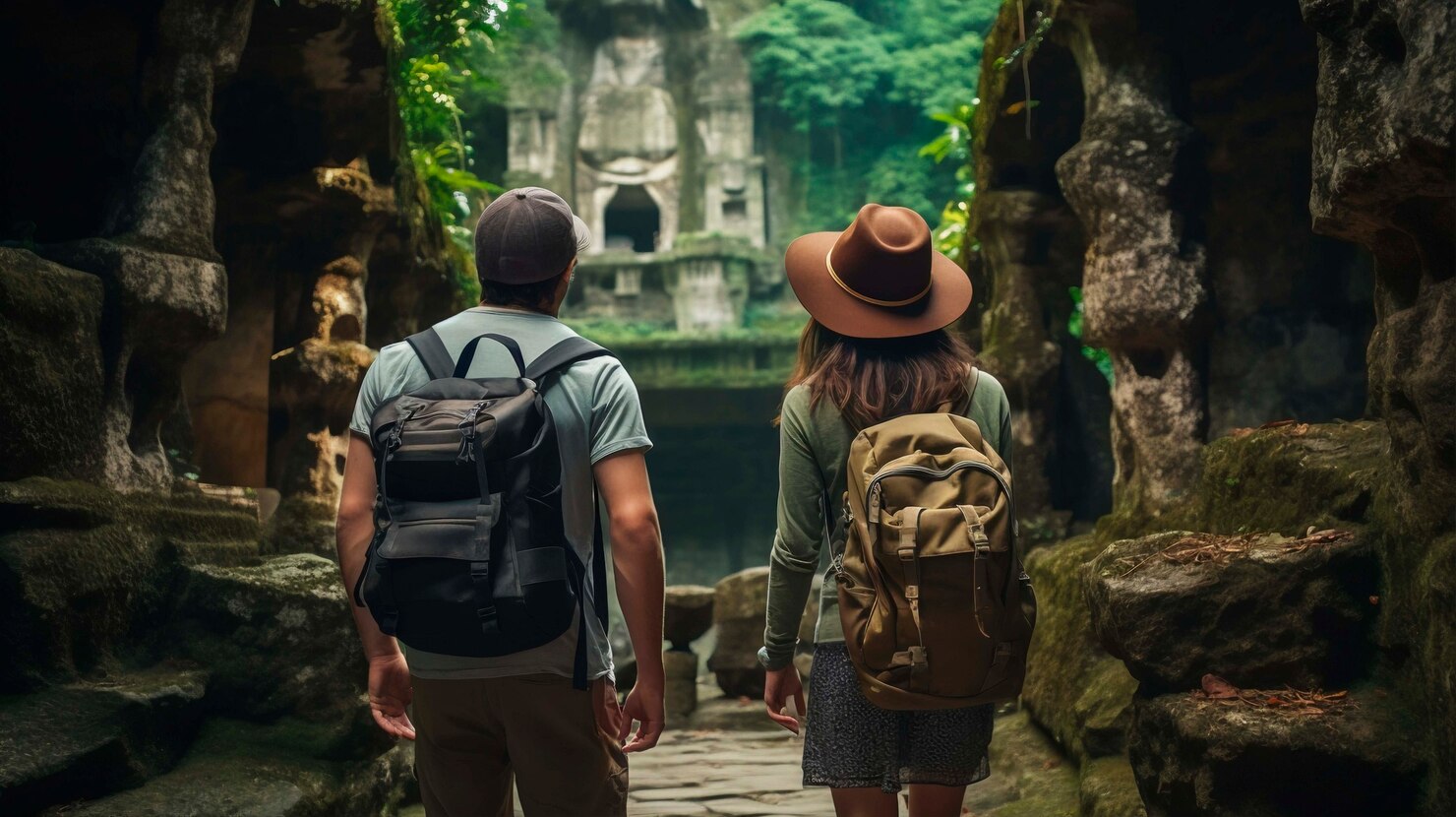
Exploration of new landscapes and cities provides visual inspiration. Architecture, natural scenery, and public art engage the senses and encourage imagination. Unique colors, patterns, and designs observed during travel often spark creative projects, storytelling, or problem-solving approaches. Experiencing aesthetics firsthand cultivates a deeper appreciation for design, art, and innovation.
Interaction with diverse cultures promotes intellectual growth. Learning about customs, beliefs, and traditions enhances understanding of human behavior. Exposure to different problem-solving approaches, rituals, and societal structures broadens mental frameworks. This cultural knowledge encourages flexibility in thinking and expands perspectives beyond familiar contexts.
Travel stimulates curiosity by presenting unfamiliar situations and challenges. Navigating new transportation systems, exploring remote areas, or engaging in local activities prompts questioning, observation, and investigation. Curiosity fuels active learning, pushing travelers to seek understanding and discover nuances in language, history, and local practices.
Food and cuisine serve as a gateway to cultural learning. Sampling local dishes, understanding cooking methods, and exploring flavors introduces knowledge about agriculture, history, and geography. Culinary experiences encourage experimentation, appreciation for craftsmanship, and deeper engagement with culture.
Travel also encourages experiential learning. Visiting museums, historical sites, or natural reserves allows individuals to witness knowledge in practice rather than through books. Hands-on experiences solidify understanding and make information memorable. Travel transforms abstract concepts into tangible insights, enhancing retention and comprehension.
Observation of daily life in unfamiliar settings provides insight into alternative problem-solving methods. How communities manage resources, social interactions, and challenges reveals innovative approaches to common human issues. These lessons inspire adaptability and creativity in personal and professional contexts.
Travel often encourages reflection, which supports creative thinking. Being in a new environment free from routine distractions allows the mind to explore ideas more freely. Reflection on experiences, observations, and emotions generates new insights and strengthens mental flexibility. Travel becomes a laboratory for thought and imagination.
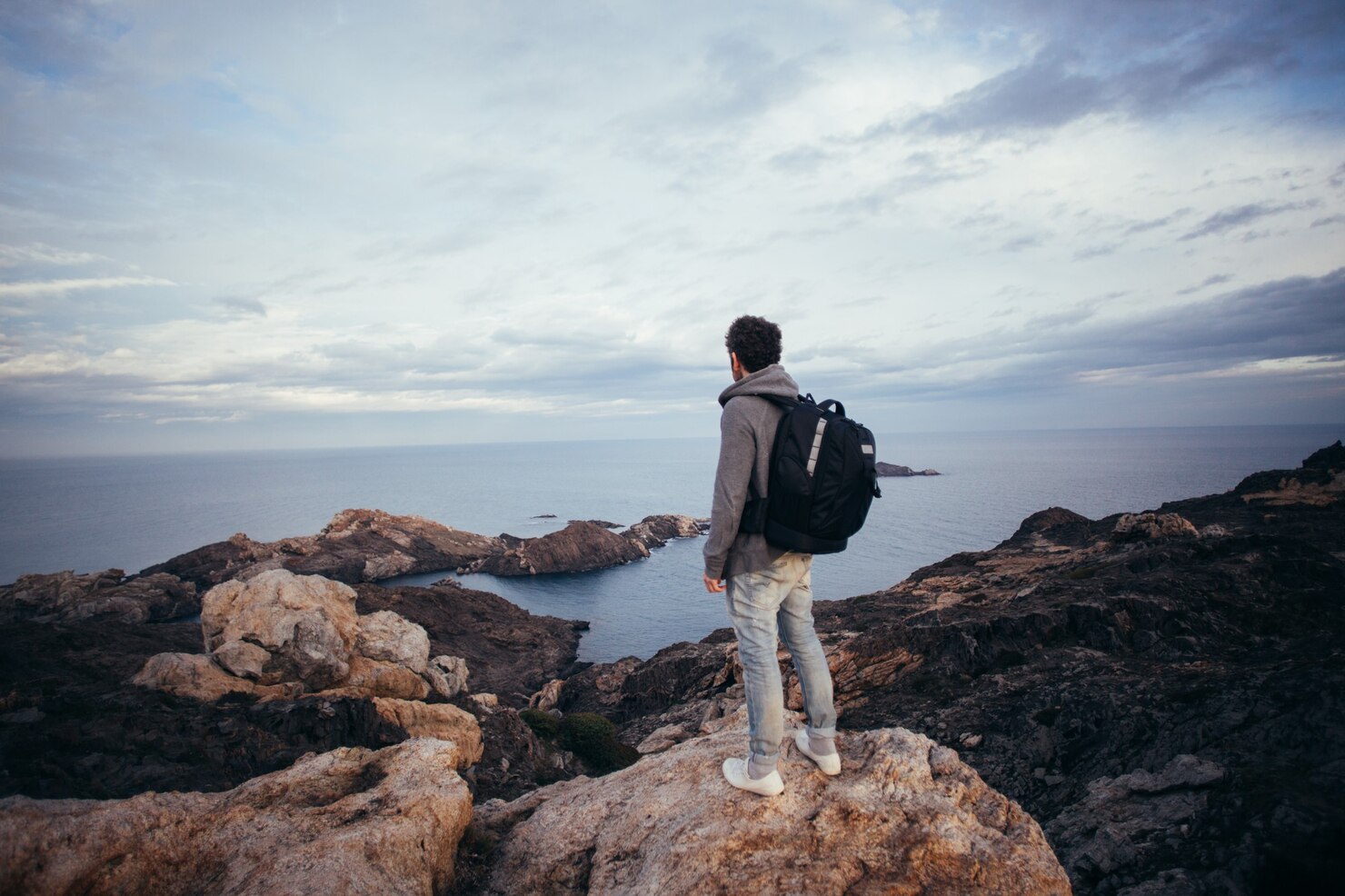
Nature-based travel enhances creative inspiration. Observing ecosystems, landscapes, and wildlife encourages curiosity about patterns, relationships, and processes. Natural environments stimulate imagination and offer problem-solving perspectives drawn from observation of balance and resilience in ecosystems.
Travel nurtures storytelling abilities. Experiences, encounters, and challenges encountered during journeys provide material for narratives. Sharing travel stories enhances communication, empathy, and understanding. Storytelling reinforces learning and allows experiences to influence others.
Engagement with art, music, and local traditions during travel inspires creativity. Exposure to new forms of expression broadens aesthetic sensibilities and encourages experimentation. Observing how communities express identity through art fosters appreciation for innovation and cultural heritage.
Travel also challenges assumptions, fostering critical thinking. Confronted with different ways of life, travelers must analyze, interpret, and adapt. This process strengthens reasoning and problem-solving skills, encouraging open-mindedness and humility. Travel teaches that multiple approaches can coexist, enriching creativity and perspective.
Learning through travel is lifelong. Each journey introduces new experiences, concepts, and challenges that contribute to personal development. Knowledge gained through travel is cumulative, expanding with each adventure. The curiosity sparked during travel often motivates further exploration, reading, and inquiry.
Ultimately, travel fosters continuous growth, curiosity, and creativity. By engaging the senses, challenging assumptions, and offering new experiences, travel becomes both an educational and transformative practice. Travelers return with enriched perspectives, inspired ideas, and an enduring desire to explore, learn, and create throughout life.