The Joys of Adventure Travel and Experiencing the Unexpected
Adventure travel offers an opportunity to engage with the world in ways that challenge, excite, and inspire. Unlike conventional tourism, adventure travel often involves physical activity, exploration of remote areas, or encounters with the unknown. These experiences push boundaries, develop resilience, and create a sense of accomplishment that is deeply satisfying. Adventure travel reminds individuals of their capabilities and encourages a deeper connection with both nature and self.
Stepping into adventure requires courage. Activities such as hiking, kayaking, or trekking in unfamiliar terrain push individuals beyond comfort zones. The initial apprehension often transforms into exhilaration as challenges are met. Overcoming fears and physical obstacles builds confidence and self-reliance, reinforcing the belief that one is capable of navigating unfamiliar circumstances.
Adventure travel fosters adaptability. Unpredictable conditions, weather changes, or navigational challenges require flexible thinking and decision-making. Travelers learn to adjust plans, problem-solve on the go, and embrace uncertainty. These skills translate into everyday life, enhancing resilience and confidence in facing challenges outside of travel.
Connection with nature is a central component of adventure travel. Remote landscapes, mountains, rivers, and forests provide opportunities to experience the world in its raw and unaltered state. Immersion in nature promotes mindfulness, reduces stress, and fosters awe and appreciation. Experiencing natural environments first-hand enhances awareness of ecological balance and the importance of environmental conservation.
Adventure travel strengthens physical health. Activities such as trekking, climbing, or paddling engage multiple muscle groups, improve cardiovascular fitness, and increase stamina. Physical challenges often demand persistence, endurance, and focus, which contribute to overall well-being. The combination of activity and exploration makes adventure travel both invigorating and healthy.
The mental benefits of adventure travel are profound. Encountering uncertainty and overcoming challenges enhances problem-solving, patience, and determination. Successfully completing difficult tasks boosts self-esteem and reinforces mental resilience. Adventure experiences often leave travelers with lasting pride and a sense of achievement.
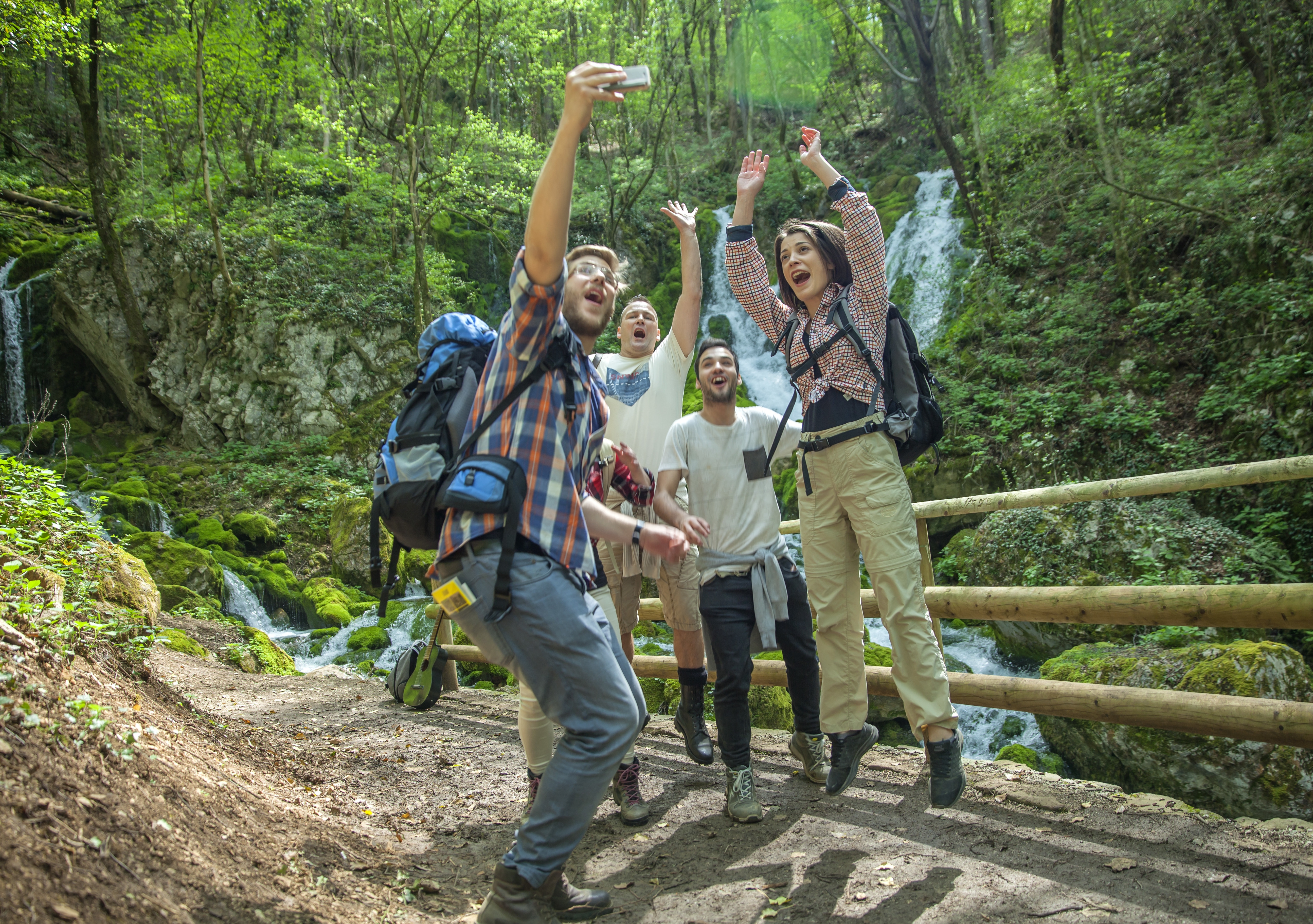
Adventure travel fosters deeper social connections. Shared challenges, collaborative problem-solving, and group activities create bonds with fellow travelers. The camaraderie developed during adventure journeys is often intense and meaningful, emphasizing teamwork, trust, and mutual support.
Experiencing the unexpected is another essential element of adventure travel. Unplanned detours, surprises, and encounters with the unknown provide excitement and novelty. These experiences heighten awareness, focus, and appreciation for each moment. Adventure teaches acceptance of unpredictability and the ability to find joy in spontaneity.
Traveling in challenging or remote areas often encourages humility. Nature’s vastness, the complexity of terrain, and the presence of unfamiliar communities remind travelers of their relative position in the world. These experiences cultivate respect, gratitude, and perspective, fostering personal growth and emotional maturity.
Adventure travel promotes self-discovery. Pushing limits, encountering new experiences, and navigating challenges reveal inner strengths and weaknesses. Travelers often gain clarity about personal preferences, values, and aspirations. The lessons learned through adventure extend far beyond the trip itself, shaping identity and outlook.
Risk management is a critical skill developed during adventure travel. Awareness of surroundings, careful planning, and assessing potential hazards cultivate responsibility and attentiveness. These skills encourage mindfulness, precaution, and the ability to make thoughtful decisions under pressure.
Adventure travel encourages sustainability and environmental responsibility. Remote and natural areas are often delicate ecosystems. Travelers develop a sense of stewardship and awareness of the impact of human activity on these environments. Responsible practices foster long-term respect for nature and encourage ethical exploration.
Ultimately, adventure travel is transformative because it combines excitement, challenge, and reflection. By stepping into uncertainty, engaging with nature, and pushing personal limits, individuals experience growth and joy. Adventure teaches resilience, adaptability, and appreciation while creating unforgettable memories. The lessons and exhilaration gained through adventure travel continue to inspire and influence travelers long after the journey ends.