The Economic Importance of the Automotive Industry
The automotive industry is one of the most influential sectors in the global economy, driving innovation, employment, and trade. From manufacturing to sales, maintenance, and technology development, automobiles impact numerous industries and influence economic activity on multiple levels. Understanding the economic importance of the automotive sector highlights how vehicles shape livelihoods, technological progress, and national prosperity.
Automobile manufacturing is a major source of employment worldwide. Engineers, designers, factory workers, logistics personnel, and management staff contribute to producing millions of vehicles each year. The industry supports a vast supply chain, including parts suppliers, technology providers, and raw material producers. Job creation in this sector stimulates local economies and promotes economic stability.
Innovation in the automotive industry drives broader technological development. Advancements in materials, electronics, artificial intelligence, and energy storage often originate in automobile research. These innovations frequently spill over into other industries, including aerospace, robotics, and renewable energy. Investment in automotive research and development fuels progress across multiple sectors, reinforcing the economic significance of vehicles.
The automotive industry contributes significantly to national GDP in many countries. Vehicle production, exports, and domestic sales generate substantial revenue. Nations with robust automotive sectors often benefit from trade surpluses, technological leadership, and industrial competitiveness. Investment in the industry attracts foreign capital, supports infrastructure development, and stimulates economic growth.
Consumer spending on vehicles drives economic activity. Purchasing new cars, maintaining existing vehicles, and investing in accessories, insurance, and financing options circulate money through local and national economies. Automotive expenditures influence related industries, including fuel, parts manufacturing, and service sectors, creating a ripple effect that supports diverse employment opportunities.
Automobiles also support the logistics and transportation sector. Trucks, vans, and commercial vehicles facilitate the movement of goods and services, enabling trade and commerce. Efficient transportation systems reduce costs, improve supply chain management, and enhance market accessibility. The economic impact of vehicles extends beyond personal mobility to national and global trade networks.
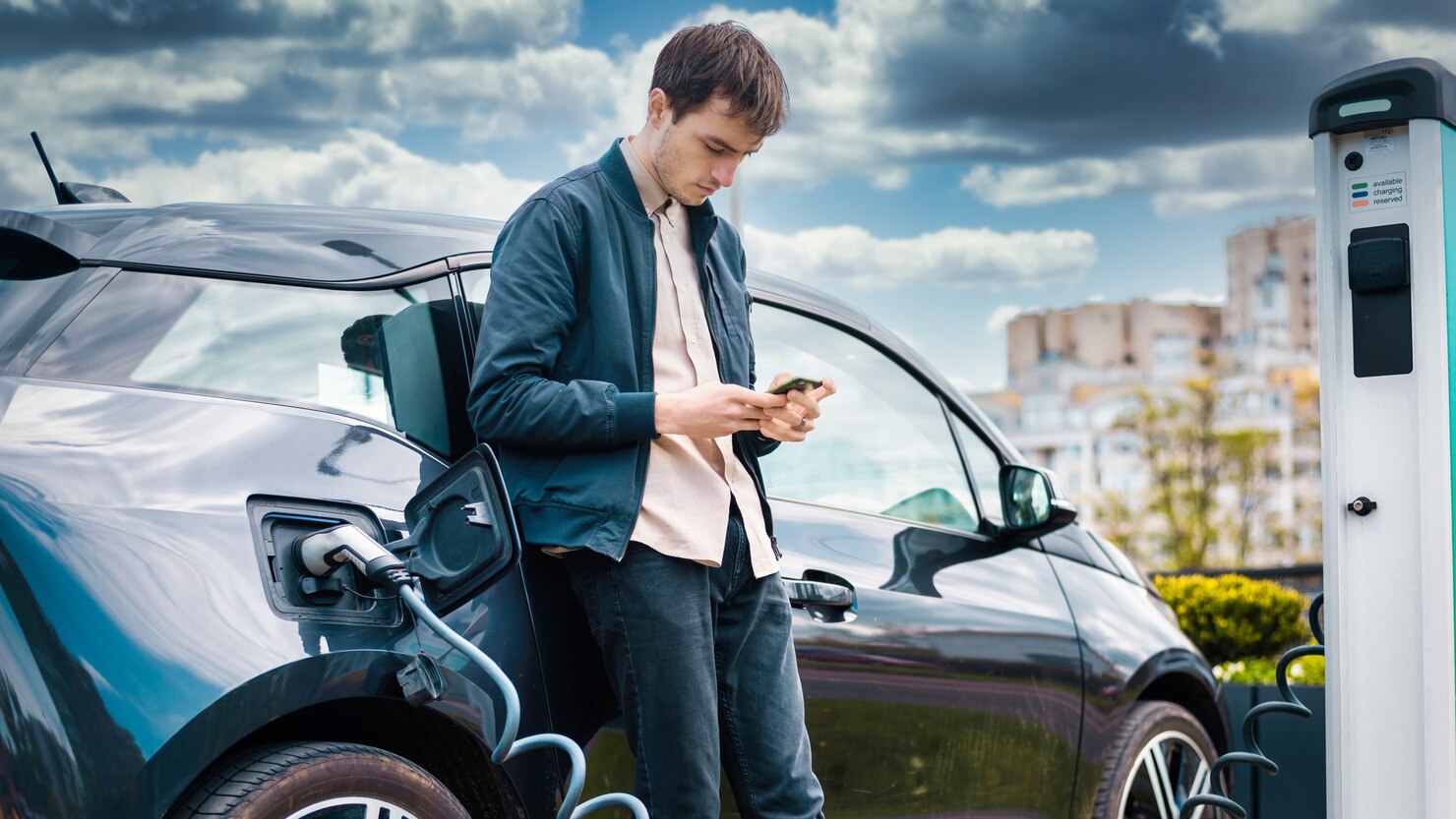
Innovation in electric vehicles, autonomous technology, and connected mobility creates new economic opportunities. Startups, software developers, battery manufacturers, and charging infrastructure companies benefit from emerging trends. Investment in sustainable and intelligent transportation systems stimulates job creation, technological leadership, and industrial diversification.
Automobile dealerships, service centers, and maintenance providers form an essential component of the economy. Vehicle sales, repairs, and servicing create ongoing employment and revenue streams. The aftermarket sector, which includes parts, tires, and customization, further reinforces the economic footprint of automobiles, supporting businesses of all sizes.
Urban development and infrastructure investment are influenced by automobiles. Roads, highways, bridges, and parking facilities require significant public and private investment, stimulating construction and engineering sectors. Vehicle-dependent economies prioritize infrastructure expansion, which generates employment, business opportunities, and long-term economic benefits.
Automobiles also influence tourism and leisure economies. Road trips, car rentals, and vehicle-based recreational activities contribute to hospitality, retail, and service industries. Accessibility provided by vehicles increases participation in tourism, commerce, and cultural exchange, supporting regional development and economic diversification.
Fuel and energy industries are closely tied to automobiles. Demand for gasoline, diesel, electricity, and alternative fuels drives production, distribution, and innovation. Shifts toward electric and hybrid vehicles are reshaping energy markets, creating investment opportunities, and promoting renewable energy development, further illustrating the economic interconnection between automobiles and energy sectors.
Automotive finance and insurance are critical economic components. Vehicle loans, leasing, insurance premiums, and investment products contribute to financial markets. Financial institutions rely on automotive transactions for revenue and risk management, integrating the industry into broader economic structures.
Ultimately, the automotive industry is an engine of economic growth, innovation, and employment. Vehicles are not only tools for mobility but catalysts for technological advancement, industrial development, and societal prosperity. The economic importance of automobiles underscores their central role in shaping industries, national wealth, and global trade, reflecting how integral vehicles are to modern economies and human progress.