The Cultural and Social Impact of Automobiles
Automobiles are more than tools for transportation—they are symbols of freedom, status, and identity, influencing culture, society, and lifestyle around the world. The presence of cars shapes cities, defines social norms, and impacts how individuals perceive mobility, independence, and personal expression. Understanding the cultural and social significance of automobiles provides insight into why cars occupy such a central place in human life.
Automobiles represent personal freedom and independence. The ability to travel at will, explore distant locations, and escape routine constraints fosters a sense of autonomy. Owning a car allows individuals to control their schedules, destinations, and experiences, contributing to the perception of mobility as a form of personal liberty. This symbolic value has long been celebrated in media, literature, and art.
Cars also reflect social status and identity. Luxury brands, sports cars, and customized vehicles communicate wealth, taste, and personality. Even within mainstream vehicles, choices of color, model, and features serve as expressions of individuality. Vehicles have become extensions of self, allowing owners to project identity through design, performance, and style.
Automobiles shape urban and rural communities. Cities are designed around vehicle access, with roads, highways, parking structures, and traffic management systems reflecting dependence on cars. Suburban expansion and commuter culture are closely tied to vehicle ownership. In rural areas, cars provide essential connectivity, enabling access to markets, education, and healthcare. The automobile has transformed how communities interact, develop, and thrive.
Cars influence social interaction and mobility patterns. Road trips, commuting, and recreational travel foster connections between people, places, and cultures. Shared travel experiences create bonds, while everyday commuting provides routine social engagement. Automobiles shape not only physical movement but also the rhythms of social life.
Automobiles have inspired cultural production. Movies, music, literature, and advertising often celebrate driving, road trips, and car culture. Racing, car shows, and automotive clubs create communities centered around shared passion. These cultural expressions reinforce the symbolic importance of cars in society, highlighting their role in entertainment, identity, and collective imagination.
Automobile technology also impacts social equity and accessibility. While cars enable mobility, disparities in ownership reflect socioeconomic differences. Communities without access to vehicles may face barriers to employment, education, and healthcare, highlighting the social responsibility associated with transportation planning. Addressing mobility gaps is essential for inclusive development.
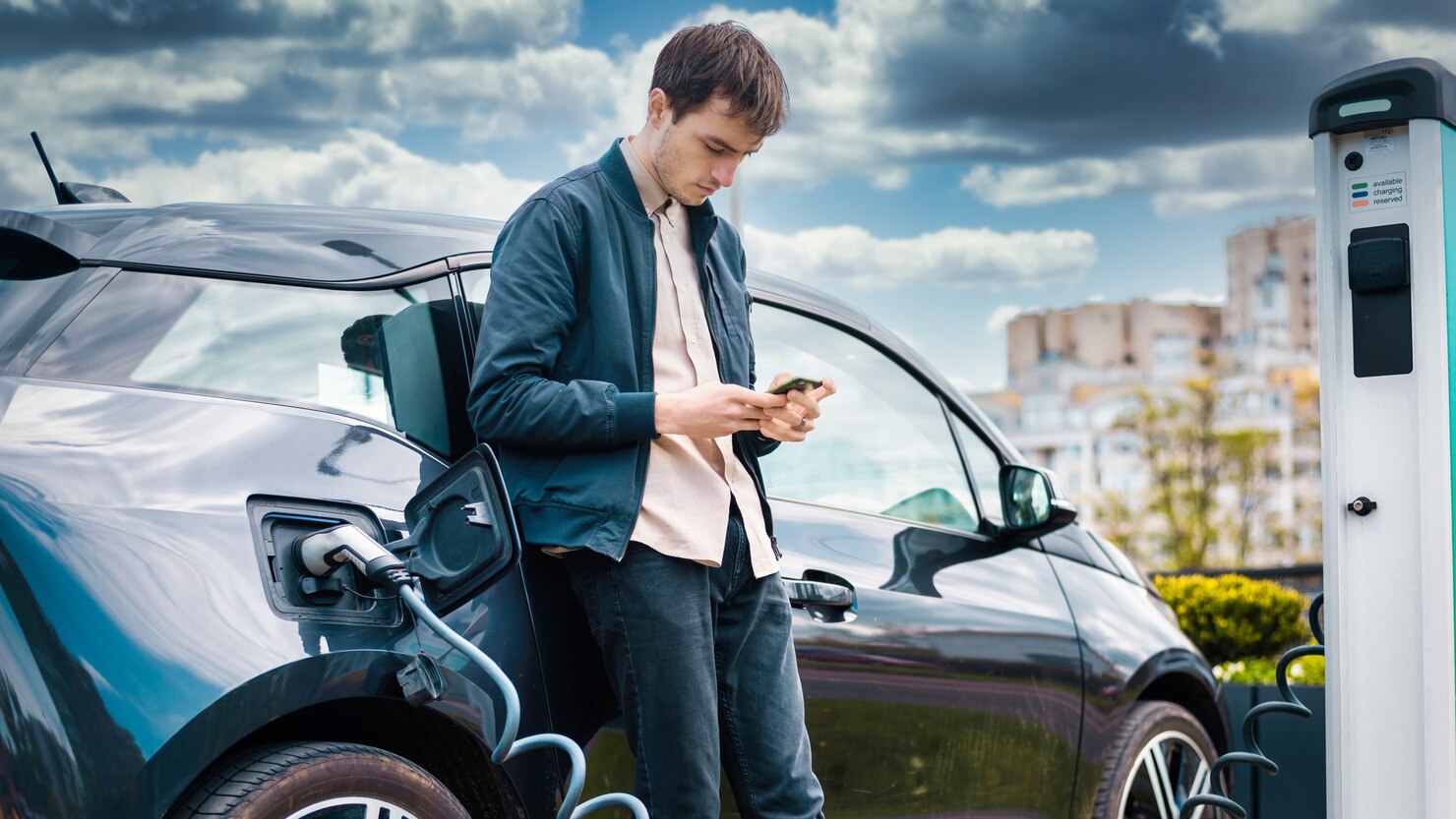
Environmental awareness shapes cultural attitudes toward automobiles. Societies increasingly value sustainability, influencing consumer choices and governmental policies. The rise of electric vehicles, shared mobility, and public transportation reflects a shift in cultural norms toward responsible and conscious mobility. Cars are no longer solely status symbols; they also signify environmental awareness and ethical choices.
Automobiles influence lifestyle and leisure activities. Road trips, family outings, and travel experiences are enabled by cars, creating memories and shaping routines. Vehicles facilitate participation in social events, sports, and recreational pursuits, integrating mobility into the fabric of daily life. The convenience and flexibility of cars affect how individuals structure time and activities.
Safety considerations have shaped social expectations. Seat belts, airbags, traffic laws, and driver education programs have fostered norms of responsible driving. Public awareness campaigns and technological advancements reinforce social values around caution, accountability, and care on the road. Cars are both a source of freedom and a responsibility to society.
Automobiles contribute to economic and cultural globalization. International car brands, racing competitions, and automotive media create a shared cultural landscape. Vehicles influence fashion, music, and design trends, reflecting global integration of car culture. Cross-border mobility and trade further highlight the social and economic significance of automobiles.
Ultimately, automobiles are cultural artifacts as much as they are machines. They embody freedom, identity, innovation, and social connection. Cars influence the way people interact, live, and imagine their place in the world. The cultural and social impact of automobiles demonstrates that vehicles are intertwined with human experience, shaping society and reflecting the evolving values, aspirations, and creativity of individuals and communities alike.