The Significance of Automotive Technology in Modern Vehicles
Automotive technology has revolutionized the driving experience, transforming cars from mechanical machines into intelligent systems that enhance safety, comfort, and performance. From early innovations like power steering and anti-lock brakes to modern features such as autonomous driving, connected vehicles, and advanced infotainment, technology has become integral to every aspect of automotive design and operation. The integration of technology not only improves driving but also influences consumer expectations, industry standards, and the future of transportation.
Safety technology is a primary focus in modern automobiles. Features such as electronic stability control, adaptive cruise control, lane-keeping assistance, and collision detection systems reduce accidents and protect occupants. Sensors, cameras, and radar allow vehicles to monitor surroundings, identify hazards, and respond faster than human reflexes. These innovations save lives and transform roads into safer environments for drivers, passengers, and pedestrians.
Efficiency and environmental sustainability are increasingly driven by automotive technology. Fuel injection, hybrid powertrains, regenerative braking, and electric motors improve energy efficiency while reducing emissions. Advanced aerodynamics and lightweight materials further enhance performance. Technology enables vehicles to minimize environmental impact without compromising power or convenience, aligning with global efforts toward sustainable mobility.
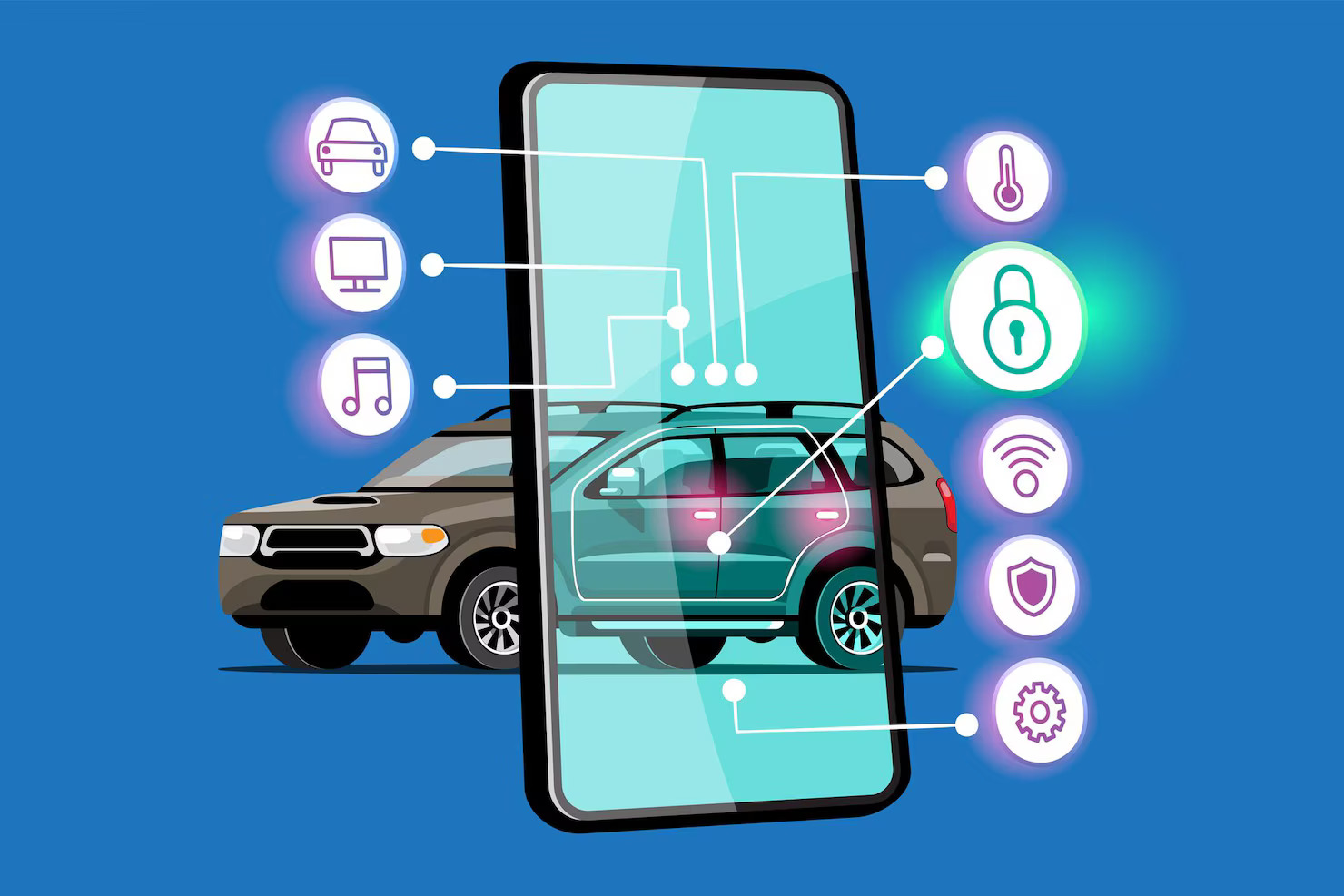
Connected car technology enhances convenience, navigation, and communication. Infotainment systems, GPS navigation, and smartphone integration provide drivers with real-time information, entertainment, and connectivity. Vehicle-to-vehicle (V2V) and vehicle-to-infrastructure (V2I) communication improve traffic flow, reduce congestion, and enhance safety. Smart vehicles are increasingly integrated into the broader transportation ecosystem, transforming urban mobility.
Autonomous and semi-autonomous driving technologies are shaping the future of mobility. Self-driving features allow vehicles to navigate, accelerate, brake, and avoid obstacles with minimal human intervention. These systems rely on artificial intelligence, machine learning, and complex sensor networks. Autonomous technology promises reduced accidents, greater accessibility for those unable to drive, and more efficient urban transportation networks.
Telematics and predictive maintenance improve vehicle reliability and ownership experience. Sensors monitor engine health, tire pressure, fluid levels, and battery performance, providing real-time alerts and diagnostics. Predictive analytics allow maintenance before failures occur, reducing repair costs and downtime. Technology transforms vehicle ownership into a proactive, informed, and safer experience.
Driver assistance systems improve comfort and convenience during travel. Features such as parking assist, blind-spot monitoring, adaptive lighting, and automated braking simplify everyday driving. These technologies reduce stress, enhance confidence, and allow drivers to focus on the road, contributing to a more enjoyable and secure journey.
Infotainment and user interface design enhance the in-car experience. Touchscreen dashboards, voice commands, digital displays, and integrated apps provide information, entertainment, and connectivity. Modern vehicles function as mobile hubs, offering features such as music streaming, route optimization, and communication tools. The integration of intuitive technology ensures accessibility and safety.
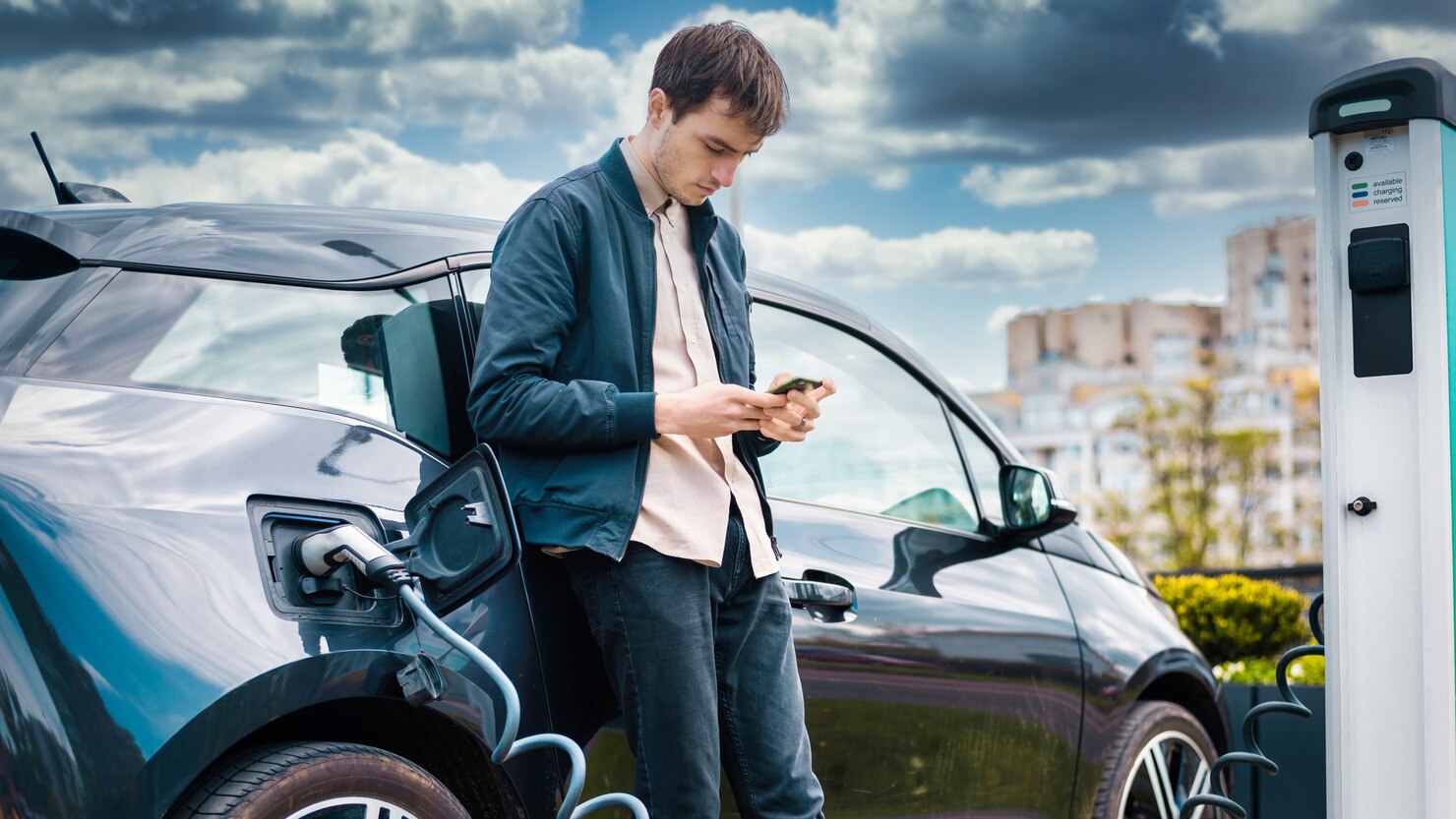
Energy management and battery technology are central to electric vehicles. Advanced lithium-ion batteries, regenerative energy systems, and fast-charging solutions improve range, performance, and convenience. Battery management systems monitor energy usage, temperature, and charge cycles to optimize efficiency and longevity. These innovations make electric mobility practical, reliable, and competitive with traditional vehicles.
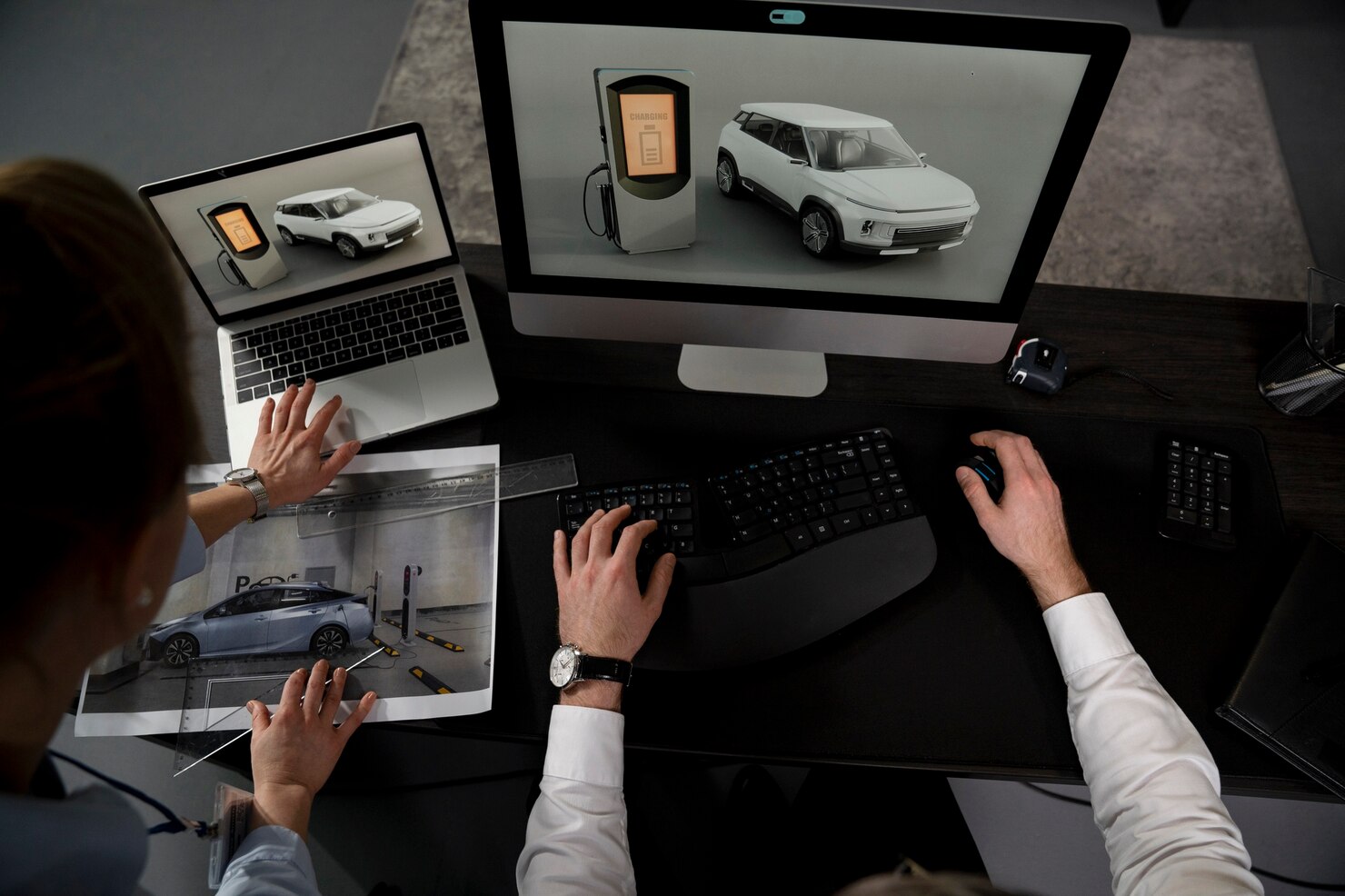
Automotive technology also influences design and manufacturing. Computer-aided design, 3D printing, and simulation tools allow engineers to create more efficient, safe, and aesthetically appealing vehicles. Manufacturing automation ensures consistency, quality, and precision, reflecting the integration of digital technology across the automotive lifecycle.
Consumer expectations are evolving with technological advancements. Buyers increasingly prioritize smart features, connectivity, safety, and efficiency when choosing vehicles. Technology is no longer optional but central to brand competitiveness, shaping marketing, innovation, and development strategies.
Ultimately, automotive technology is redefining the relationship between humans and vehicles. It enhances safety, convenience, sustainability, and driving enjoyment, transforming cars into intelligent partners rather than mere machines. The continuous evolution of automotive technology ensures that vehicles remain innovative, responsive, and aligned with the demands of modern life, shaping the future of mobility in ways that are profound, practical, and exciting.