The Future of Electric Vehicles and Sustainable Transportation
The automotive industry is undergoing a dramatic transformation as electric vehicles emerge at the forefront of sustainable transportation. Electric vehicles, or EVs, represent a shift away from traditional fossil fuel-powered cars toward cleaner, more efficient, and technologically advanced alternatives. The rise of EVs reflects growing environmental awareness, innovation in energy storage and battery technology, and a desire for reduced carbon emissions. This transition not only changes the way people drive but also reshapes the relationship between transportation, energy, and society.
Electric vehicles offer numerous advantages over conventional vehicles. One of the most significant benefits is the reduction of greenhouse gas emissions, particularly when paired with renewable energy sources. Unlike gasoline or diesel engines, electric motors produce no tailpipe emissions, improving air quality and reducing the impact on climate change. This environmental benefit positions EVs as a critical component of sustainable urban planning and global efforts to combat pollution.
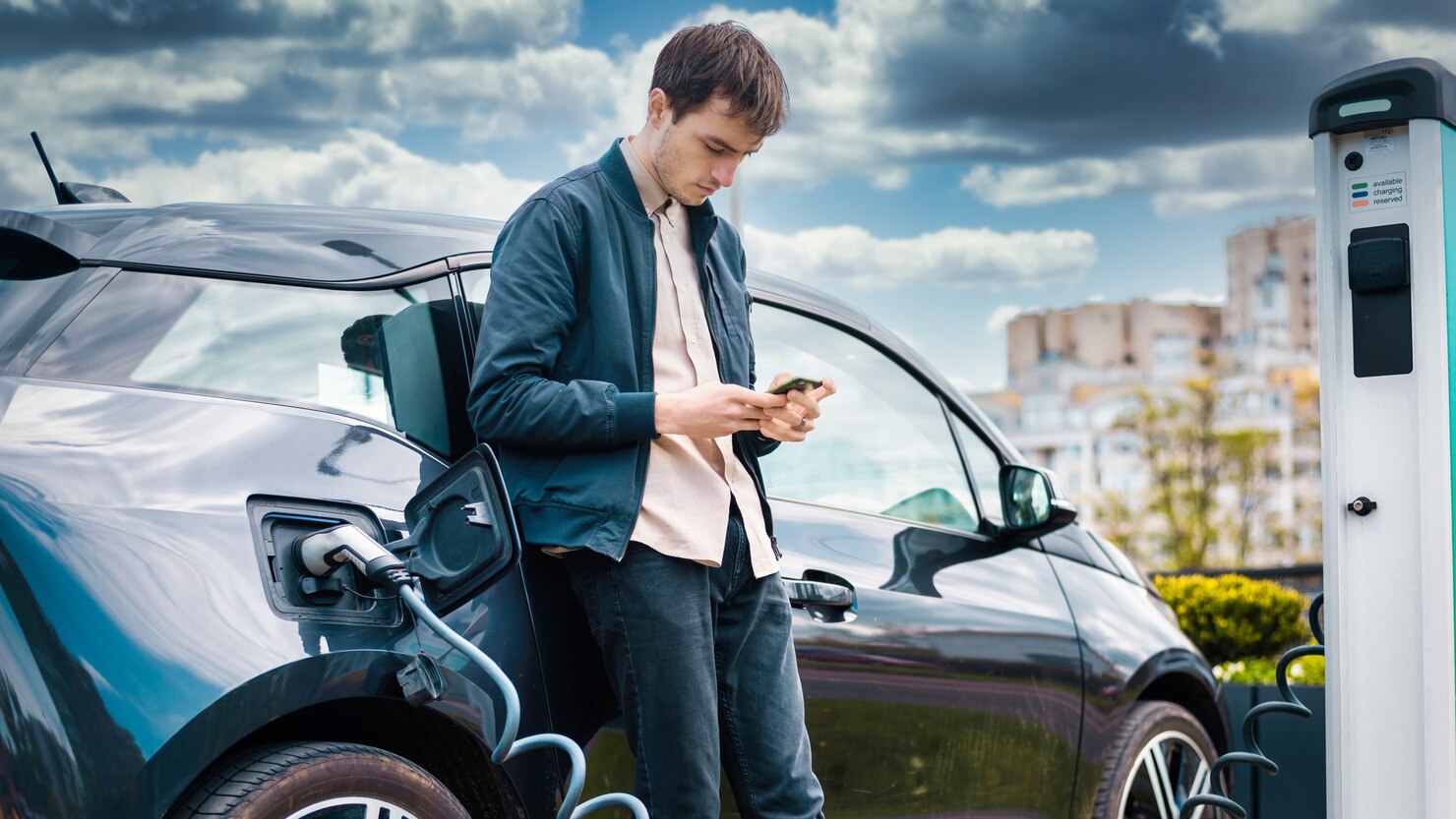
Technological advancements drive the performance and appeal of electric vehicles. High-capacity batteries, fast-charging infrastructure, regenerative braking, and energy-efficient motors allow EVs to match or exceed the capabilities of traditional cars. Range anxiety, once a major concern, is increasingly mitigated by improved battery technology and expanding charging networks. Innovation ensures that electric vehicles are practical, reliable, and convenient for everyday use.
Economic considerations are also reshaping the automobile market. The cost of battery production has decreased significantly over the past decade, making electric vehicles more affordable. Governments and institutions provide incentives, subsidies, and tax benefits to encourage adoption, further supporting the transition. As the market grows, economies of scale reduce costs, making EVs accessible to a broader segment of the population.
Electric vehicles influence infrastructure and urban design. Charging stations, energy grids, and smart traffic systems are being developed to accommodate electric mobility. Cities and municipalities integrate EV-friendly policies into transportation planning, promoting sustainable commuting and reducing dependence on fossil fuels. The rise of electric vehicles encourages innovation not only in cars but also in the energy and urban planning sectors.
EVs also offer a quiet, smooth, and efficient driving experience. Electric motors provide instant torque, responsive acceleration, and reduced engine noise. This performance enhances comfort, safety, and enjoyment, contributing to a positive driving experience. The combination of efficiency and refinement distinguishes electric vehicles from traditional engines.
Sustainability extends beyond the vehicle itself. Electric cars often incorporate recyclable materials, energy-efficient manufacturing processes, and environmentally conscious design. Life-cycle analysis emphasizes the importance of considering production, usage, and disposal in minimizing environmental impact. Sustainable automotive practices encompass the entire ecosystem of design, production, and operation.
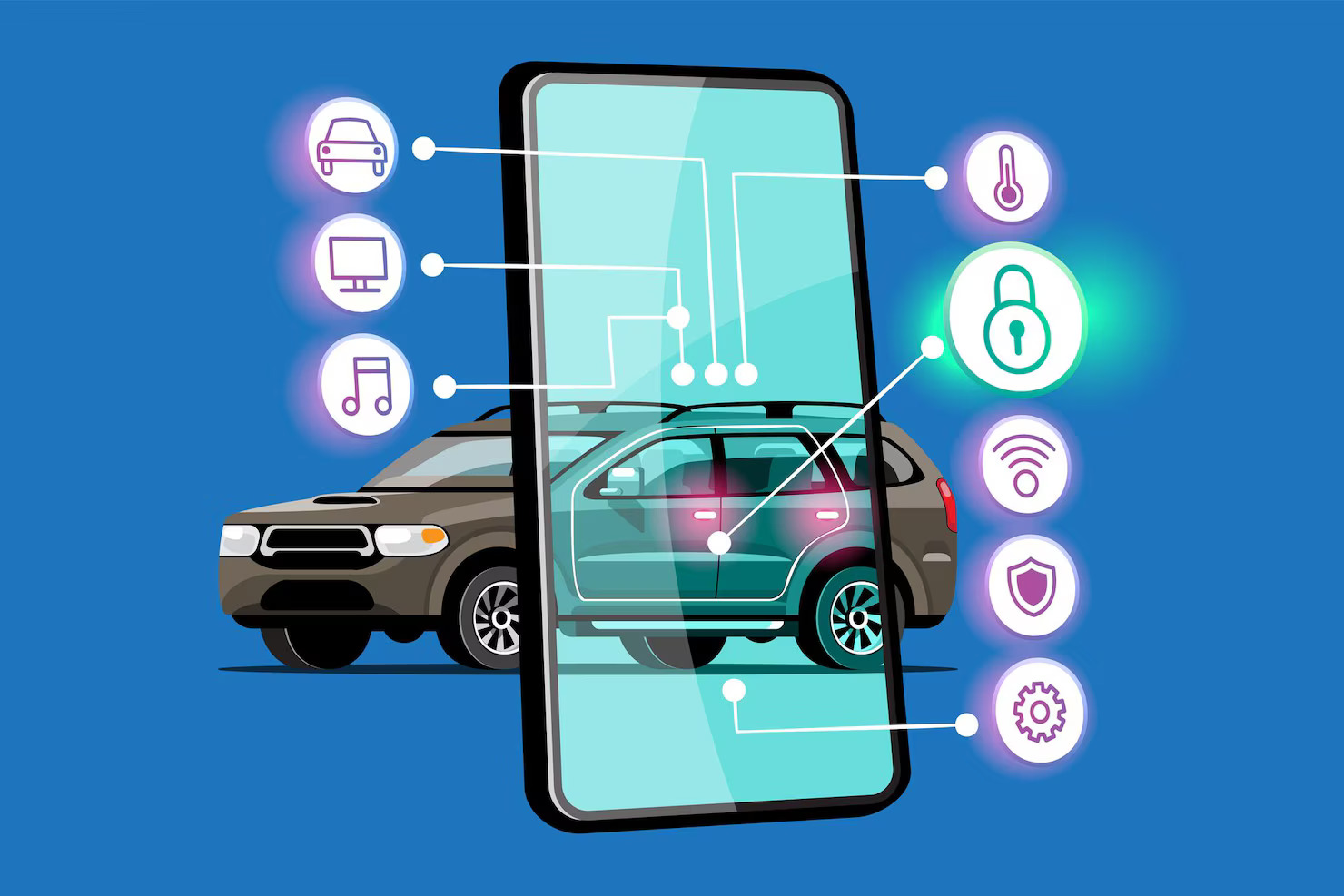
Autonomous technology and connectivity further enhance the potential of electric vehicles. Integration with smart infrastructure, navigation systems, and vehicle-to-grid technology enables energy optimization, traffic efficiency, and safer driving. These innovations support a more intelligent and sustainable transportation network, transforming cities and commuting habits.
Consumer perception of electric vehicles is evolving. Increased awareness of environmental challenges, coupled with technological sophistication, encourages adoption. EVs are increasingly viewed as desirable, high-performing, and responsible choices rather than niche alternatives. Brand reputation, design, and performance contribute to shifting preferences and social acceptance.
Challenges remain in the widespread adoption of electric vehicles. Battery recycling, raw material sourcing, and energy infrastructure require careful planning and innovation. Governments, manufacturers, and communities must collaborate to address these challenges while promoting accessibility, reliability, and sustainability. Responsible development ensures that electric mobility delivers long-term benefits without unintended consequences.
The future of automobiles is closely linked to electric and sustainable transportation. EVs exemplify the convergence of environmental responsibility, technological innovation, and consumer demand. As adoption increases, cities, societies, and individuals will experience cleaner air, reduced reliance on fossil fuels, and enhanced mobility options. The shift toward electric vehicles represents a significant milestone in the evolution of transportation, highlighting humanity’s commitment to progress and sustainability.
Ultimately, electric vehicles are transforming the automotive landscape. They combine efficiency, innovation, environmental stewardship, and driving enjoyment. The rise of EVs marks a turning point in how humans interact with vehicles, energy, and the environment. As technology advances and infrastructure develops, electric mobility will continue to shape the future of transportation and redefine the possibilities of modern automobiles.